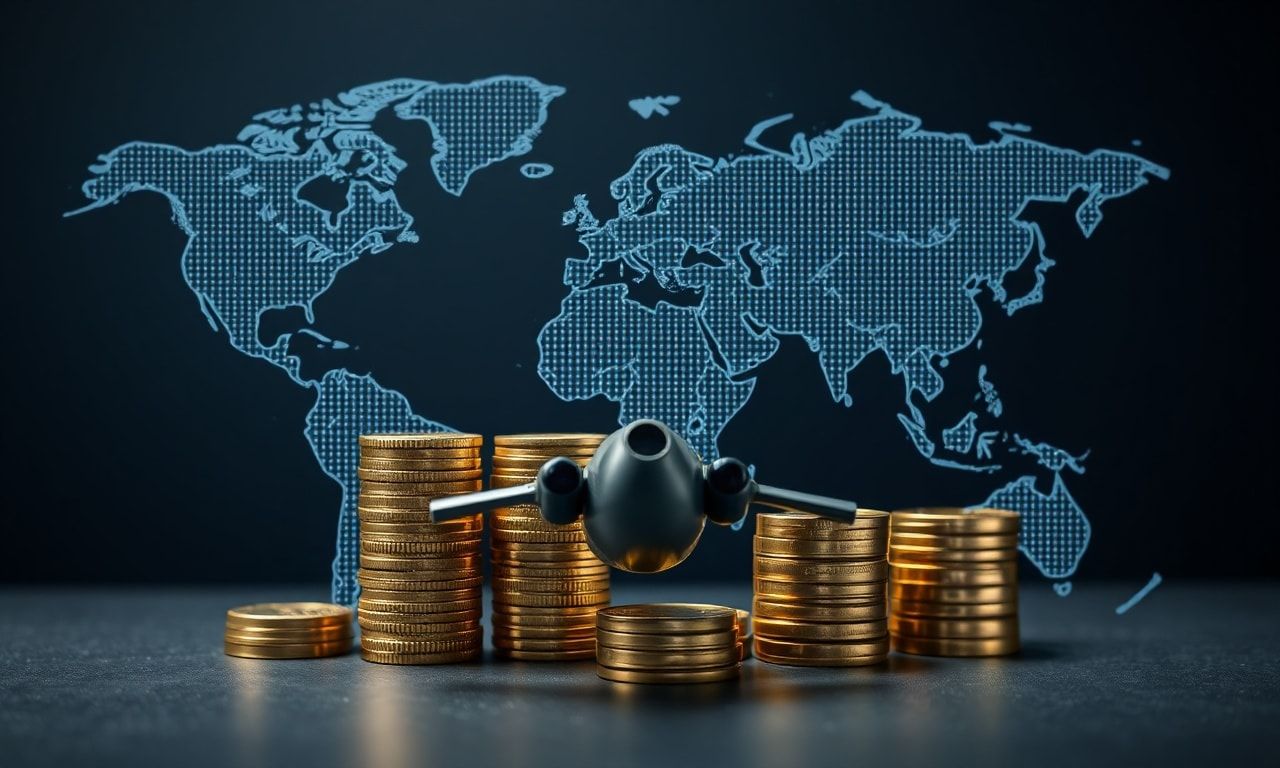
The New Era of Defense Budgets
The world is witnessing a significant shift in defense spending, with nations across the globe increasing their military budgets in response to escalating geopolitical tensions. This surge in defense expenditure is not only reshaping national economies but also influencing international relations and security strategies. The trend highlights a growing emphasis on national security and defense capabilities, driven by a complex interplay of regional conflicts, technological advancements, and economic factors.
According to recent reports, defense spending has reached unprecedented levels, with major powers like the United States, China, and Russia leading the way. Smaller nations are also following suit, recognizing the importance of robust defense mechanisms in an increasingly uncertain world. This global uptick in military expenditure is a clear indicator of the evolving security landscape and the need for nations to adapt to new threats.
United States: Leading the Charge
The United States, as the world’s largest defense spender, continues to invest heavily in its military capabilities. The U.S. Department of Defense has announced a significant increase in its budget, focusing on modernizing its arsenal and enhancing cyber defense capabilities. This move is driven by the need to counter emerging threats from adversarial nations and non-state actors.
The U.S. defense budget for the upcoming fiscal year includes substantial allocations for research and development, particularly in areas such as artificial intelligence, hypersonic weapons, and advanced missile defense systems. These investments are aimed at maintaining the country’s technological edge and ensuring its military superiority in an increasingly competitive global arena.
Europe: A United Front
In Europe, the defense landscape is also undergoing a transformation. The European Union has called for increased defense cooperation among its member states, emphasizing the importance of collective security. This push for a more unified defense strategy is driven by concerns over Russian aggression, particularly in light of the ongoing conflict in Ukraine.
Countries like Germany, France, and the United Kingdom are at the forefront of this initiative, committing to significant increases in their defense budgets. These nations are investing in advanced military technologies, joint training exercises, and enhanced cyber defense capabilities. The goal is to create a more cohesive and resilient defense structure that can effectively respond to emerging threats.
For those interested in the latest developments in European defense strategies, the helsingin uutiset työ provides comprehensive coverage of regional security issues and their impact on global defense dynamics.
Asia: A Region in Flux
The Asia-Pacific region is experiencing a rapid escalation in defense spending, driven by territorial disputes and rising tensions. China, in particular, has significantly increased its military budget, focusing on modernizing its navy and air force. This expansion is part of China’s broader strategy to assert its influence in the region and counter perceived threats from the United States and its allies.
Other nations in the region, such as Japan, India, and South Korea, are also boosting their defense capabilities. Japan, for instance, has recently announced plans to increase its defense budget to counter potential threats from North Korea and China. This move marks a significant shift in Japan’s defense policy, which has traditionally been pacifist.
The Economic Impact
The surge in defense spending is having a profound impact on global economies. While it stimulates economic growth through job creation and technological innovation, it also diverts resources from other critical areas such as healthcare, education, and infrastructure. This shift in priorities raises questions about the long-term sustainability of such high levels of defense expenditure.
Moreover, the arms race between major powers is exacerbating geopolitical tensions, creating a vicious cycle of increased spending and heightened security concerns. This dynamic underscores the need for diplomatic efforts to mitigate conflicts and promote international cooperation.
Looking Ahead
As defense spending continues to rise, the global security landscape is set to undergo further transformations. Nations must strike a delicate balance between investing in defense capabilities and addressing other pressing economic and social needs. The coming years will be crucial in determining how these challenges are navigated and what the long-term implications will be for global stability.
In conclusion, the surge in defense spending is a multifaceted issue that reflects the complex interplay of geopolitical, economic, and technological factors. As nations grapple with these challenges, the need for strategic foresight and international cooperation has never been greater.
As cities worldwide seek to foster international connections, London and Helsinki’s art collaboration stands out as a notable example of cultural diplomacy in action.
As cities worldwide continue to adapt, urban leaders share post-pandemic insights in our latest feature.
In an era of rapid information dissemination, staying informed is crucial; explore the significance of this in our latest feature, the role of digital news.