Introduction
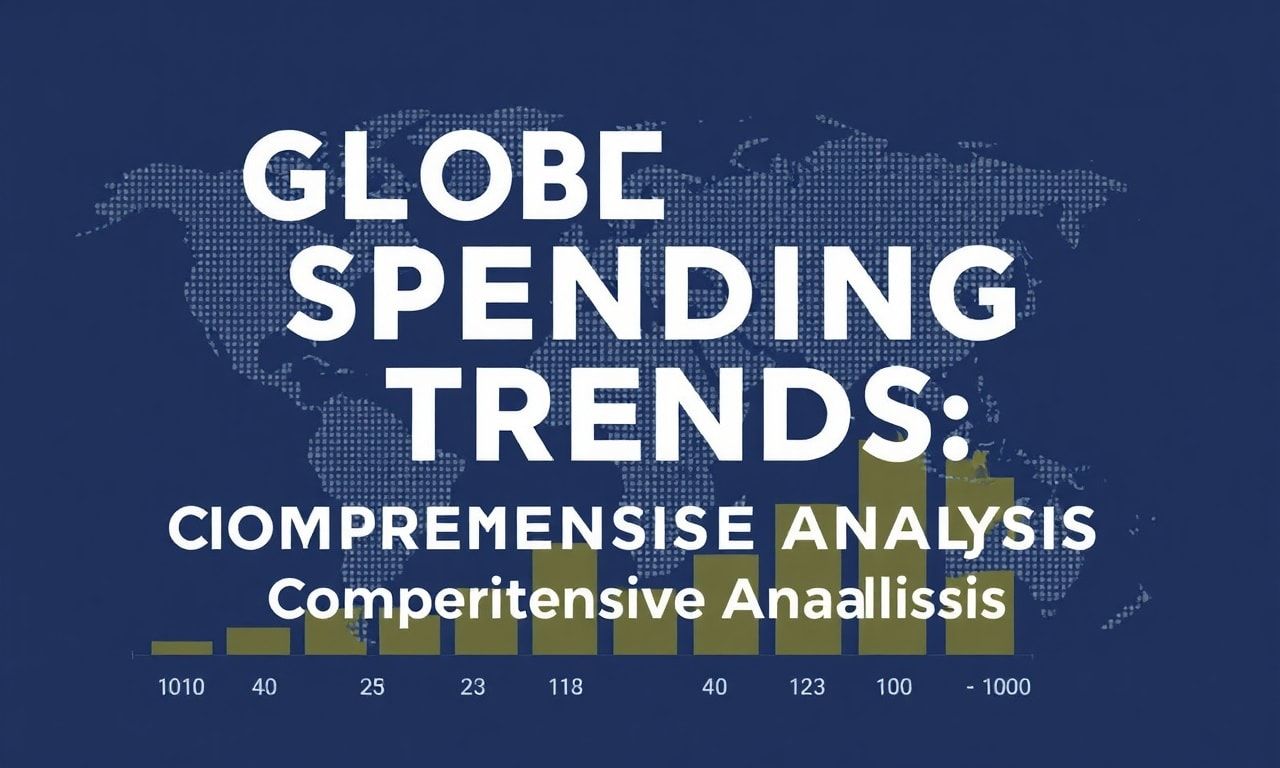
The global defense landscape is undergoing significant transformations, driven by geopolitical shifts, technological advancements, and evolving security threats. This article delves into the latest trends in global defense spending, highlighting key regions and countries that are reshaping the military expenditure map. Understanding these trends is crucial for policymakers, defense analysts, and industry stakeholders to navigate the complexities of modern defense strategies.
The Rise of Defense Spending in Asia
Asia has emerged as a hotspot for defense spending, with countries like China, India, and Japan significantly increasing their military budgets. China’s defense expenditure has been growing steadily, driven by its ambitious modernization plans and territorial disputes in the South China Sea. India, facing security challenges from both China and Pakistan, has also ramped up its defense spending, focusing on enhancing its naval and air capabilities. Japan, traditionally a pacifist nation, has been gradually increasing its defense budget to counterbalance China’s growing influence in the region.
Key Drivers of Asian Defense Spending
The primary drivers of defense spending in Asia include territorial disputes, technological advancements, and the need for regional stability. Countries in the region are investing heavily in advanced weaponry, cyber defense, and space capabilities. Additionally, the rise of non-traditional security threats, such as terrorism and cyber warfare, has prompted Asian nations to allocate more resources to defense. For instance, South Korea’s defense budget has been influenced by the ongoing tensions with North Korea, leading to investments in missile defense systems and advanced surveillance technologies.
European Defense Spending: A Shift in Focus
In Europe, defense spending has been influenced by the changing geopolitical landscape, particularly the rise of Russia and the ongoing conflict in Ukraine. The North Atlantic Treaty Organization (NATO) has been urging its member states to increase their defense budgets to meet the 2% of GDP target. Countries like Poland, Lithuania, and Latvia have significantly boosted their defense spending in response to perceived threats from Russia. The United Kingdom and France, traditional military powers, continue to invest in advanced defense technologies and maintain their global military presence.
The Impact of Brexit on Defense Spending
The United Kingdom’s decision to leave the European Union has had a profound impact on defense spending and strategic planning. Post-Brexit, the UK has been focusing on strengthening its defense capabilities to ensure national security and maintain its global influence. This has led to increased investments in cyber defense, naval capabilities, and advanced weaponry. The UK’s defense budget has been allocated to modernize its armed forces and enhance its strategic partnerships with other NATO members and allies.
Middle East: A Region in Turmoil
The Middle East remains a volatile region, with defense spending driven by ongoing conflicts, regional rivalries, and the need for internal security. Countries like Saudi Arabia and the United Arab Emirates have been investing heavily in advanced military technologies to counter threats from Iran and other regional actors. The ongoing conflict in Yemen and the rise of extremist groups have further fueled defense spending in the region. Additionally, the Middle East has become a significant market for defense exports, with countries like the United States, Russia, and China supplying advanced weaponry and military equipment.
Cyber Security and Defense Spending
Cyber security has emerged as a critical component of defense spending in the Middle East. With the increasing threat of cyber attacks and the proliferation of advanced cyber weapons, countries in the region are investing in robust cyber defense mechanisms. This includes the development of advanced cyber intelligence capabilities, the deployment of cyber defense systems, and the establishment of cyber security agencies. The rise of cyber warfare has prompted Middle Eastern countries to allocate significant resources to protect their critical infrastructure and ensure national security.
Latin America: Defense Spending Amid Economic Challenges
Latin America’s defense spending has been influenced by economic challenges, political instability, and the need for regional security. Countries like Brazil and Colombia have been investing in defense modernization programs to address internal security threats and maintain regional stability. The rise of transnational criminal organizations and the ongoing conflict in Colombia have prompted Latin American nations to allocate more resources to defense. However, economic constraints have limited the defense budgets of many countries in the region, leading to a focus on cost-effective defense solutions and strategic partnerships.
The Role of International Cooperation
International cooperation has played a crucial role in shaping defense spending trends in Latin America. Countries in the region have been collaborating with international partners to enhance their defense capabilities and address common security challenges. This includes joint military exercises, defense technology transfers, and the establishment of regional security alliances. For instance, the Union of South American Nations (UNASUR) has been working towards regional integration and cooperation in defense and security matters. Additionally, Latin American countries have been engaging with international organizations like the United Nations to address global security threats and promote peace and stability.
For those interested in the latest updates on defense spending and regional security trends, visiting ঢাকায় আজকের শিক্ষা টিপস can provide valuable insights and analysis on global defense and security issues.
Conclusion
Global defense spending trends are shaped by a complex interplay of geopolitical factors, technological advancements, and evolving security threats. Asia’s rising defense expenditures, Europe’s shift in focus, the Middle East’s volatile landscape, and Latin America’s economic challenges all contribute to the dynamic nature of global defense spending. Understanding these trends is essential for policymakers, defense analysts, and industry stakeholders to navigate the complexities of modern defense strategies and ensure global security and stability.
As sports betting continues to evolve, a new analysis offers a detailed look at the latest developments in the industry, which you can find in global betting market shifts.
In today’s fast-paced world, staying informed about essential life aspects is crucial; consider these key points for daily living to navigate current events more effectively.
Stay informed about the latest developments around the globe with our comprehensive coverage of worldwide current events.