The Evolving Landscape of Global Defense Spending
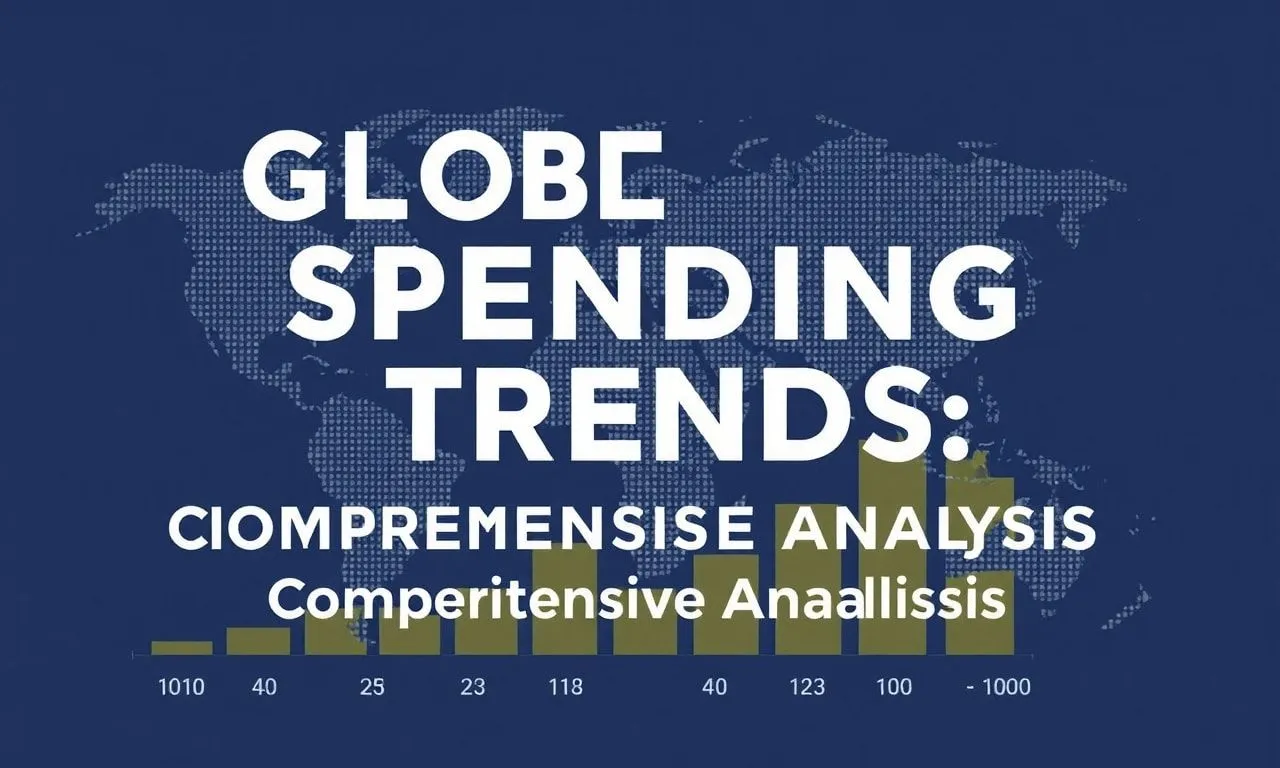
The world of defense and security is in a state of flux, driven by geopolitical tensions, technological advancements, and economic factors. As nations grapple with these dynamics, defense spending has become a critical indicator of global stability and strategic priorities. This article delves into the latest trends in defense expenditure, highlighting key players, emerging threats, and the economic implications of these shifts.
United States: Leading the Charge in Defense Expenditure
The United States remains the world’s largest spender on defense, with a budget that dwarfs that of any other nation. In 2023, the U.S. allocated over $800 billion to its defense sector, a figure that reflects its global military commitments and technological superiority. The budget includes significant investments in cybersecurity, artificial intelligence, and advanced weaponry, as well as maintaining a robust network of alliances and partnerships. However, the rising debt and economic uncertainty pose challenges to sustained high levels of spending.
China’s Rapid Military Ascension
China has been steadily increasing its defense budget, making it the second-largest spender globally. In 2023, China’s defense expenditure surpassed $200 billion, driven by its ambition to modernize its military and assert its influence in the Asia-Pacific region. The focus has been on enhancing naval capabilities, developing advanced missile systems, and expanding its presence in space and cyberspace. This rapid militarization has raised concerns among neighboring countries and the international community, leading to a complex web of alliances and countermeasures.
Europe’s Response to Emerging Threats
European nations are also ramping up their defense budgets in response to evolving threats, particularly from Russia and the ongoing conflict in Ukraine. Germany, for instance, has pledged to increase its defense spending to 2% of its GDP, a significant departure from its post-World War II stance. France and the UK are also investing heavily in advanced military technologies and cyber defense capabilities. The European Union has launched initiatives to strengthen its collective defense mechanisms, reflecting a growing recognition of the need for a unified approach to security challenges.
For the latest updates on how these defense spending trends are impacting the global economy, be sure to check out the business news update section, which provides in-depth analysis and insights into the intersection of defense, economics, and geopolitics.
The Rise of Non-Traditional Security Threats
As traditional military threats evolve, so do the non-traditional security challenges that nations must address. Cyber warfare, terrorism, and climate change are increasingly shaping defense strategies and budgets. Countries are investing in cyber defense capabilities to protect critical infrastructure and sensitive data. The rise of terrorism and insurgency has led to a focus on counter-terrorism operations and intelligence gathering. Additionally, climate change is emerging as a significant security concern, with nations recognizing the need to prepare for and mitigate its impacts on global stability.
The Economic Implications of Defense Spending
The economic implications of defense spending are profound and far-reaching. On one hand, high levels of defense expenditure can stimulate economic growth by creating jobs and driving innovation in the defense industry. On the other hand, excessive spending can lead to budget deficits, inflation, and economic instability. The balance between defense and economic priorities is a delicate one, requiring careful planning and strategic decision-making. As nations navigate these challenges, they must consider the long-term implications of their defense policies on economic stability and growth.
Conclusion: The Future of Global Defense Spending
The future of global defense spending is shaped by a complex interplay of geopolitical, economic, and technological factors. As nations continue to adapt to emerging threats and strategic priorities, defense budgets will remain a critical indicator of global stability and security. The challenge lies in striking a balance between defense needs and economic sustainability, ensuring that investments in security do not come at the expense of long-term economic prosperity. By staying informed and engaged, policymakers, analysts, and the public can contribute to a more secure and stable world.
To gain a deeper understanding of the evolving economic landscape, consider reviewing recent global economic trends and their potential impacts.
In an era where digital interactions shape our social landscapes, a new report delves into how online games build communities that transcend virtual boundaries.
As the world continues to evolve politically, our latest analysis, global politics mid-year review, offers an in-depth look at the key developments shaping our times.