The Evolving Landscape of Defense Spending
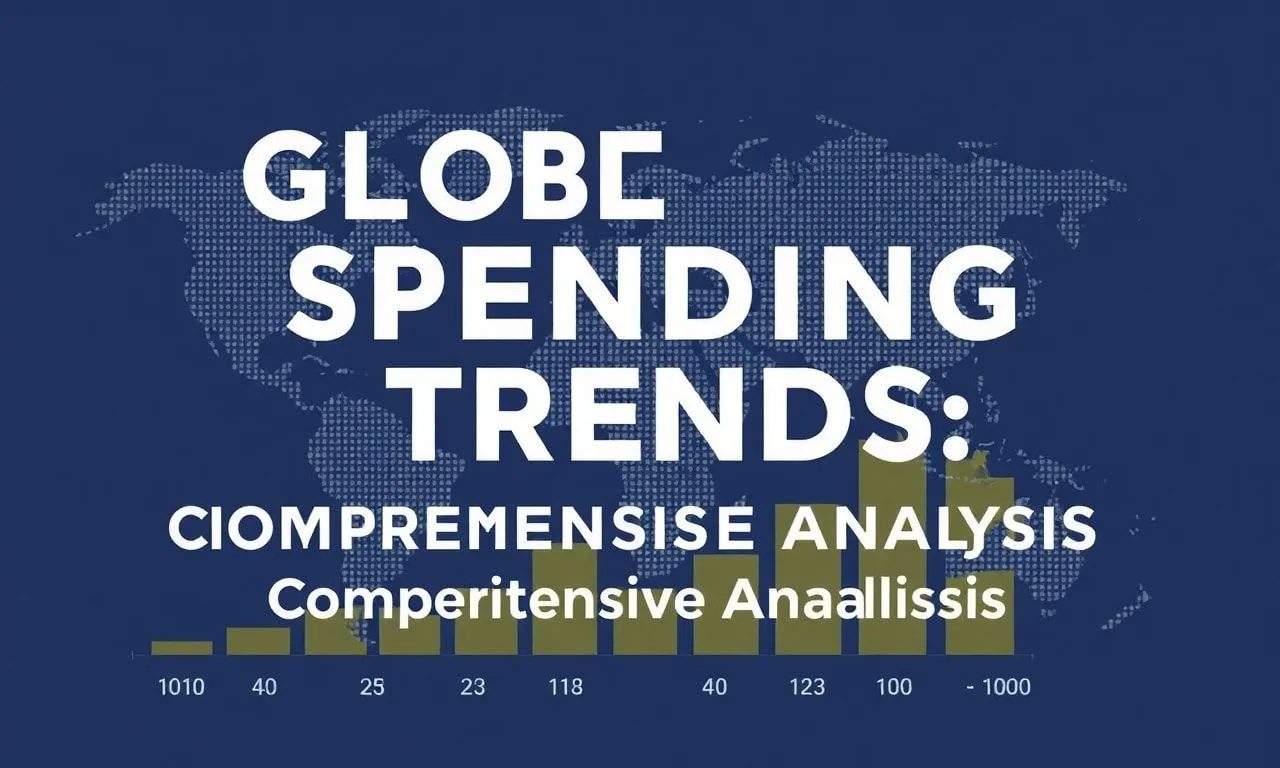
The global defense landscape is undergoing significant transformations, driven by geopolitical tensions, technological advancements, and economic factors. Defense spending, a critical indicator of national security priorities, has seen varied trends across different regions. This article delves into the latest developments, highlighting key players and emerging trends in defense expenditure.
United States: Maintaining Dominance
The United States continues to lead global defense spending, with a budget that far exceeds that of any other nation. In 2023, the U.S. allocated over $800 billion to defense, reflecting its commitment to maintaining military superiority. This substantial investment is driven by the need to counter emerging threats, modernize equipment, and support global military operations. The U.S. defense strategy emphasizes technological innovation, particularly in areas like artificial intelligence, cybersecurity, and hypersonic weapons.
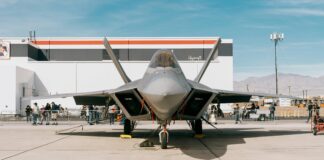
Despite political debates over budget allocations, defense spending remains a bipartisan priority. The U.S. Department of Defense is focused on enhancing readiness and capability, ensuring that the nation’s military forces are prepared for any contingency. This includes investments in next-generation fighter jets, naval vessels, and advanced missile defense systems.
China’s Rapid Military Expansion
China has been rapidly expanding its military capabilities, with defense spending growing at an average rate of 7% annually. In 2023, China’s defense budget exceeded $230 billion, making it the second-largest spender globally. This growth is part of a broader strategy to assert China’s influence in the Asia-Pacific region and beyond. The People’s Liberation Army (PLA) is undergoing significant modernization, with a focus on enhancing its naval and air capabilities.
China’s military expansion has raised concerns among neighboring countries and global powers. The U.S. and its allies are closely monitoring China’s activities in the South China Sea and its developments in hypersonic missiles and advanced aircraft. The geopolitical implications of China’s military buildup are a subject of intense debate and analysis, with experts weighing the potential for conflict and the need for diplomatic engagement.
Europe’s Response to Emerging Threats
In Europe, defense spending has been on the rise, driven by concerns over Russian aggression and the need to strengthen NATO’s collective defense. Countries like Germany, France, and the United Kingdom have increased their defense budgets, with a focus on modernizing their militaries and enhancing cyber defense capabilities. The European Union has also taken steps to strengthen its defense industrial base, promoting collaboration and innovation.
The war in Ukraine has highlighted the importance of robust defense capabilities. European nations are investing in advanced weaponry, including drones, missile defense systems, and advanced fighter jets. The conflict has also spurred discussions on energy security and the need for strategic autonomy in defense manufacturing. The EU’s Defense Fund, established to support research and development in defense technologies, is a key initiative in this regard.
The Role of Emerging Technologies
Technological advancements are playing a pivotal role in shaping defense strategies. Artificial intelligence, cyber warfare, and unmanned systems are among the key areas of focus for defense planners. The integration of AI into military operations promises to enhance decision-making, improve situational awareness, and automate certain tasks, reducing the risk to human personnel.
Cyber warfare has emerged as a critical domain in modern conflict. Nations are investing heavily in cyber defense capabilities to protect their critical infrastructure and counter cyber threats. The use of drones and unmanned systems is also on the rise, with applications ranging from surveillance to combat operations. These technologies are transforming the nature of warfare, requiring defense forces to adapt and evolve.
Global Collaboration and Defense Partnerships
Defense partnerships and collaborations are becoming increasingly important in addressing global security challenges. Alliances like NATO, the Quad, and the AU are playing a crucial role in fostering cooperation and coordination among member states. These partnerships enable nations to share resources, intelligence, and best practices, enhancing their collective security.
The Quad, comprising the U.S., Japan, Australia, and India, is a notable example of a strategic partnership aimed at countering China’s influence in the Indo-Pacific region. The alliance focuses on maritime security, cybersecurity, and counterterrorism, promoting regional stability and cooperation. Similarly, NATO’s expansion and modernization efforts are aimed at strengthening its deterrence and defense capabilities in the face of evolving threats.
In the Middle East, defense collaborations are focused on countering terrorism and regional conflicts. The Gulf Cooperation Council (GCC) nations are investing in advanced defense technologies and enhancing their military capabilities to address security challenges. These collaborations are essential for maintaining regional stability and addressing shared threats.
Conclusion: The Future of Defense Spending
The global defense landscape is characterized by rapid changes and evolving threats. Nations are investing heavily in defense capabilities to counter emerging challenges and maintain their strategic interests. The focus on technological innovation, cyber defense, and global collaborations reflects the complex nature of modern security challenges.
As geopolitical tensions continue to shape defense strategies, the need for robust and adaptable defense capabilities becomes increasingly apparent. The future of defense spending will be influenced by technological advancements, economic factors, and the evolving nature of global conflicts. Nations must strike a balance between investment in defense and addressing other critical needs, ensuring a comprehensive approach to national security.
For more insights into global defense trends and popüler konular gündem tartışmaları, stay tuned to Defense News for the latest updates and analysis.
As geopolitical tensions continue to shape global markets, Taiwan’s tech sector navigates challenges in an evolving international landscape.
Amidst the bustling news cycle, travelers seeking a respite may find inspiration in Istanbul’s lesser-known attractions, offering a glimpse into the city’s rich cultural tapestry.
To stay informed about the evolving landscape of global education, consider exploring recent developments in education trends that are shaping the future of learning.