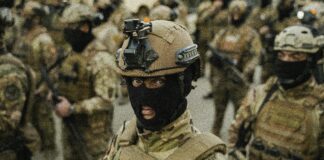
The Evolving Landscape of Defense Spending
The global defense landscape is undergoing significant transformations, driven by geopolitical tensions, technological advancements, and economic fluctuations. As nations grapple with new security challenges, defense spending has become a critical indicator of strategic priorities and international relations. This article delves into the latest trends in defense expenditure, highlighting key players, emerging technologies, and the impact of economic factors on military budgets.
Top Defense Spenders in 2023
According to recent reports, the United States remains the world’s largest defense spender, allocating over $800 billion in 2023. China follows closely, with a significant increase in its military budget, reflecting its growing assertiveness in the Asia-Pacific region. Other notable spenders include India, Russia, and several European nations, which have bolstered their defense capabilities in response to regional conflicts and security threats.
United States: Leading the Way
The U.S. defense budget continues to dominate global spending, driven by investments in advanced technologies such as artificial intelligence, cybersecurity, and hypersonic weapons. The Department of Defense has emphasized modernization and innovation, aiming to maintain a technological edge over potential adversaries. Additionally, the U.S. has increased its defense cooperation with allies, particularly in the Indo-Pacific region, to counterbalance China’s rising influence.
China’s Rapid Ascent
China’s defense spending has seen a steady rise, with a particular focus on enhancing its naval and air capabilities. The country’s investments in aircraft carriers, stealth fighters, and missile defense systems underscore its ambition to project power beyond its borders. Analysts suggest that China’s military modernization is part of a broader strategy to assert its dominance in the South China Sea and challenge U.S. influence in the region.
The Impact of Economic Factors
Economic conditions play a pivotal role in shaping defense budgets. The COVID-19 pandemic has had a mixed impact on defense spending, with some nations prioritizing healthcare and economic recovery over military expenditures. However, countries facing immediate security threats, such as those in the Middle East and Eastern Europe, have maintained or increased their defense budgets despite economic constraints.
For instance, European nations have rallied to support Ukraine amid its conflict with Russia, providing military aid and increasing their own defense capabilities. This collective response highlights the interconnected nature of global security and the need for international cooperation in addressing shared threats.
Madrid qué hacer fin semana
While defense spending remains a critical focus, it is essential to balance military investments with other national priorities. For example, in Spain, the weekend offers a variety of activities that cater to both relaxation and cultural enrichment. Whether exploring historical sites, enjoying local cuisine, or participating in community events, residents and visitors alike can find numerous ways to unwind. For those looking for inspiration, Madrid qué hacer fin semana provides a comprehensive guide to weekend activities in the vibrant city of Madrid.
Emerging Technologies and Defense Innovation
The defense sector is witnessing a technological revolution, with advancements in artificial intelligence, autonomous systems, and cyber warfare reshaping military strategies. Nations are investing heavily in research and development to gain a competitive edge. For example, the U.S. has launched initiatives to integrate AI into defense systems, enhancing decision-making and operational efficiency. Similarly, China and Russia are making strides in developing autonomous drones and hypersonic missiles, which could alter the dynamics of future conflicts.
Cybersecurity: The New Battleground
Cybersecurity has emerged as a critical component of modern defense strategies. As digital infrastructure becomes increasingly vulnerable to attacks, nations are investing in robust cyber defense mechanisms. The U.S. Cyber Command, for instance, has expanded its capabilities to counter cyber threats from state and non-state actors. Meanwhile, European nations are collaborating to strengthen their collective cyber defense, recognizing the transnational nature of cyber warfare.
Conclusion: Navigating the Future of Defense Spending
The global defense landscape is characterized by rapid changes and evolving threats. As nations navigate these challenges, defense spending will remain a key indicator of strategic priorities and international relations. While economic factors and technological advancements continue to shape military budgets, the need for international cooperation and balanced investments cannot be overstated. By addressing both immediate security concerns and long-term strategic goals, nations can ensure a more stable and secure future.