
How to post an event in Switzerland: a practical guide
A clear, step by step guide for publishing events in Switzerland, with tips on accuracy, channels, and common pitfalls explained for news readers.

Readers seeking to publish or reference events in Switzerland need a functional, reliable approach. This piece explains the practical steps to enter an event, verify details, and choose the right channel for visibility, all with a newsroom-ready mindset.
The guide avoids hype and focuses on concrete actions you can take now, from crafting a clear event description to selecting the proper listing platform.
With each step, readers gain a practical reason to reference authoritative resources and how to verify information before it goes public.
- Publishers should start with a precise, factual event entry including date, venue, and core details.
- Choose credible channels that balance reach and effort, keeping an eye on accuracy and updates.
- Describe the event in clear terms, avoiding jargon and marketing hype, and include practical logistics.
- Be vigilant for errors, verify information with organizers, and update listings promptly to maintain trust.
Basics you must know
Key requirements and formats
Start with a precise event title and date, then add location, time, and a brief description. Use neutral language suitable for a broad audience and avoid promotional language. Ensure contact details are current and accessible for inquiries. Event eintragen in der Schweiz
Most listings require a short summary and a longer description to help readers gauge relevance quickly. Include accessibility notes if applicable and verify that the venue address matches the event site.
- Check spelling of the event name
- Confirm time zone and start times
- Provide a contact email
Where to publish in Switzerland
Identify authoritative platforms such as official municipal calendars, regional newsrooms, or national event aggregates. Prioritize listings that reach your intended audience and offer clear submission guidelines. Compare audience reach versus posting effort to decide where to publish.
Use tags or categories that match the reader’s likely search terms and keep punctuation simple to ensure filters work. If a platform allows attachments, add a PDF with the event flyer for accessibility.
- Look for one or two primary channels with broad reach
- Avoid duplicating listings on less relevant sites
- Test posting with a small, non-urgent event to check visibility
How to describe the event clearly
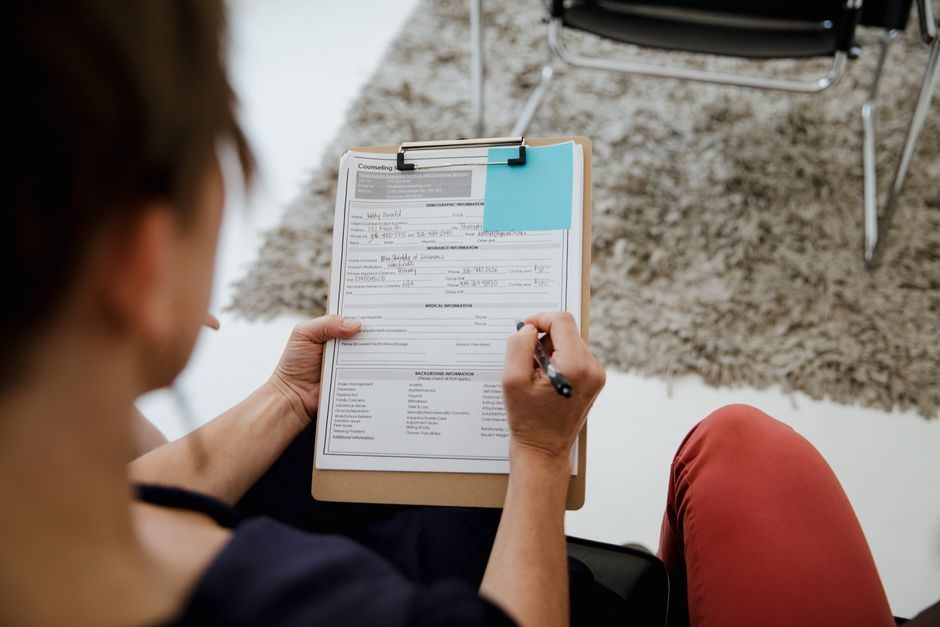
Craft a concise overview
Lead with the event’s purpose in one sentence, then add date, time, and place. Use plain language so readers from varied backgrounds understand immediately. A useful resource on this topic: aktuellnews.ch.
Include practical details such as registration or entry requirements and any costs.
Add supporting details
Provide a longer paragraph that explains the activity, speakers, or agenda. Use plain terms rather than jargon and avoid vague promises.
Mention accessibility options, transport links, and parking if relevant.
- Mention accessibility options
- Provide transport and parking notes
- Clarify any required pre-registration
Pitfalls to avoid
Common posting mistakes
Overloading the description with marketing language reduces credibility. Stick to factual information readers need to decide if they should attend. A useful resource on this topic: Branchenbuch Eintrag in der Schweiz.
Failing to verify date, location, or time creates confusion and may trigger complaints.
- No vague dates
- No incorrect venue names
- No missed accessibility details
| Method | Pros | Cons |
|---|---|---|
| Concise listing | Faster to publish | Less space for context |
| Detailed overview | Better reader understanding | Requires more time and care |
| Platform-specific entry | Better alignment with audience | May require format adjustments |
Verification and updates
Publishers should confirm details with organizers and keep listings updated if plans change. An outdated listing harms trust and newsroom integrity.
If an update is required, amend the listing promptly and flag the alteration for readers.
- Confirm with organizers
- Update promptly
- Note changes publicly
Set a routine for checking event details a day before publication to catch last-minute changes.
Tips to streamline the process
Best practices for efficiency
Create a reusable template for event entries to save time on future postings. Keep a master contact list and a library of venue details. A useful resource on this topic: Stellenangebot veröffentlichen in der Schweiz.
Set a routine for checking event details a day before publication to catch last-minute changes.
- Use a standard template
- Maintain a verified contact list
- Schedule a pre-publish review
When to escalate
If details are unclear or contested, pause the listing and reach out to the organizer for confirmation. A delayed post is preferable to a wrong one.
Document the reason for delay to inform readers and newsroom colleagues.
- Pause on unclear details
- Seek confirmation
- Document the reason for delay
Quality control and readership signals
Editorial standards for listings
Publishers should maintain accuracy and timeliness when posting events. Verify dates, locations, and organizers before publishing. Use plain language so readers can quickly understand the essential details. Todesfall bekannt geben in der Schweiz
- Ensure all dates and times match the official venue listing.
- Provide a direct link to the event page for verification.
- Flag any missing data and request updates from the organizer.
Include essential metadata such as time zones, contact methods, and eligibility for attendees. Avoid speculative statements and clearly label any provisional details. This builds trust and helps readers assess relevance.
Cross-check entries against official calendars or venue sites. Consistency in formatting makes listings easier to scan and compare, reducing reader confusion.
- Publishers verify key facts before posting
- Entries use consistent date formats
- Times include time zones
- Contact information is current
- Venue accessibility notes are clear
Legal and privacy considerations
Data handling guidelines
Event listings collect personal details from organizers and attendees. Limit data collection to what is necessary for the listing and ticketing. Implement clear retention rules and offer opt-outs where possible.
Be transparent about how data is shared and stored. Do not publish personal contact details without explicit consent. Regularly audit permissions and access controls.
Explain compliance steps in plain language on the listing page, including how to report inaccurate data or privacy concerns.
- Limit data collection
- Clear consent for public visibility
- Regular privacy audits
- Accessible data deletion options
- Transparent sharing practices
Localization and multilingual needs
Language accessibility choices
Switzerland’s multilingual audience requires clear language options for events. Provide at least one local language option on the page and consider English summaries for broader reach. Keep translations accurate and unambiguous.
Use consistent terminology across languages to avoid confusion. Local terms for venues, transportation, and ticketing should reflect common usage in each region.
Test the listing with native speakers to catch cultural or phrasing nuances that might mislead readers.
- Offer language toggle if possible
- Match local terms to user expectations
- Provide concise translations for key details
- Include venue directions in several languages
- Verify numbers and dates in each language
Future-proofing event listings

Staying durable and adaptable
Plan for changes by including a last-updated timestamp on each listing. This helps readers gauge reliability and gives editors a clear signal when to refresh content.
- Post updates promptly after changes.
- Review listings weekly for active events.
- Mark canceled events clearly.
Design listings to tolerate minor updates, such as minor time changes or venue reassignments. Use a modular format so edits don’t require complete rewrites.
Consider archiving old events and creating a brief note about cancellation or rescheduling to avoid reader confusion.
- Show last updated date
- Use modular content blocks
- Archive past events with notes
- Provide a path to updated listings
- Keep contact channels current
Frequently asked questions
Who can post an event and how do I verify legitimacy?Anyone can submit an event, but editors verify essential details before publication. Expect to provide venue, date, and a reliable organizer contact. If information seems incomplete, the listing may be delayed or rejected until clarified.
What should I do if details change after posting?Update the listing quickly with corrected times, locations, or additional notes. Include a brief update note at the top so readers don’t have to search for changes, and remove outdated contact lines.
How does localization affect listings in Switzerland?Listings should offer language options relevant to the region and include translations of key facts. Clear, local terminology for venues and transit makes it easier for readers to judge relevance.
Are there privacy risks to consider for event pages?Publish only information necessary for the listing. Do not expose personal contact details without consent. Provide public-facing contact methods and explain how data is used and stored.
Practical follow-up steps
Publishers should audit current event listings for missing language options and outdated details, then implement a standard update template. This reduces reader confusion and improves trust across regions.
Editors should establish a designated update schedule and a quick-change workflow for time-sensitive events, ensuring readers see the most current information. A transparent audit trail makes adjustments clear and traceable.
Add Defense News US as a preferred source on Google


