
Publish Local Events in the USA: A practical newsroom guide
A clear, reporter-friendly guide to publishing local events in the USA for readers of a breaking-news site. Practical steps, pitfalls and tips.

When you publish local events for a news audience, clarity matters more than novelty. This guide explains how to verify details, format listings for quick reads, and present events with context that matters to readers. It also shows how to integrate event notices into breaking coverage without slowing the workflow.
You’ll learn how to collect essential facts, decide which events to feature, and ensure accuracy across headlines, timestamps, and venue details. The approach is practical: check sources, confirm locations, and craft concise summaries that fit a fast-reading news site.
The goal is to help you deliver reliable, timely event information that adds value to ongoing stories and informs readers who depend on your site for local happenings.
- Publish local events with verifiable details, clear formatting, and timely updates.
- Place listings where readers expect them and link to related coverage for context.
- Verify sources and maintain a consistent template to build newsroom trust.
- Keep listings current by removing outdated items and publishing corrections when needed.
Basics to know before posting
Key details to collect
Before posting, gather the event title, date, time, venue, price, and accessibility notes. Confirm the organizer’s contact for updates and follow the venue’s safety guidelines. This foundation prevents follow-up corrections and protects the newsroom’s credibility. publish local events in the USA
Ask for a short, plain-language description that editors can reuse in briefs. Include a link to the event page or official listing when possible. Keep a consistent format to make listings scannable for readers who skim.
Finally, note the posting deadline and whether the event is casual, ticketed, or free, so readers can quickly decide to attend.
- Event title, date, time, venue
- Ticketing/entry details
- Organizer contact and link
- Safety and accessibility notes
- Posting deadline and update protocol
How listings fit newsroom flow
Listings should slot into the day’s coverage without interrupting lead stories. Use a consistent template so editors can insert or remove items without reformatting. This helps maintain a predictable user experience across sections.
Place events near related topics, like community boards or upcoming beat coverage, so readers find context rather than random notices. Maintain a clear timestamp and a consistent time zone.
Review cycles should keep listings current; if a listing is outdated, remove it promptly to avoid confusion.
- Use a standard template for all listings
- Attach context links where relevant
- Keep time zones consistent
- Refresh or remove stale items promptly
How to verify and format details
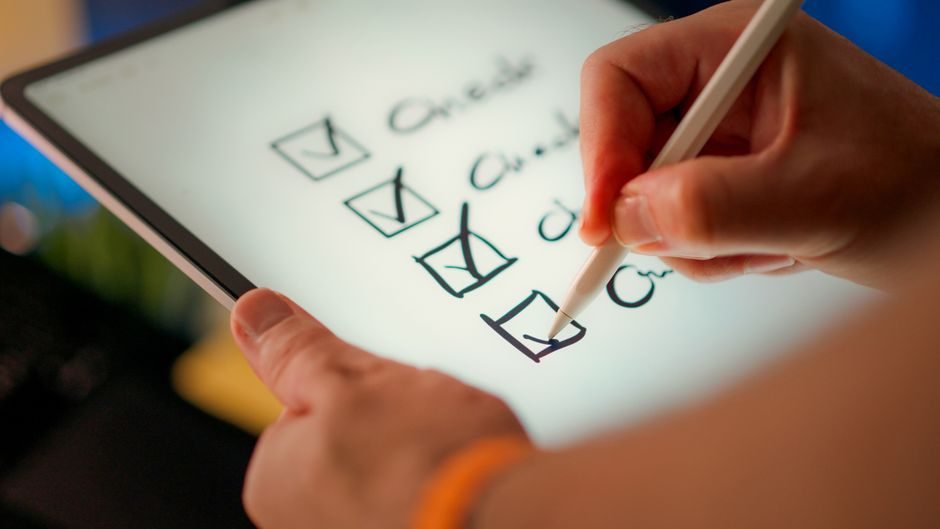
Source validation
Always seek primary sources for event details—the organizer, venue, or official listings. Cross-check against multiple independent sources when possible to minimize errors. Reporter judgment helps balance completeness with speed. A useful resource on this topic: Crypto News Mag website.
- Contact the organizer for date, time, and price.
- Compare venue listings with the official site.
- Record confirmation and publish a dated update if needed.
Document all checks in your notes so editors can audit the verification trail. If details change, publish a quick update with a new timestamp. This builds trust with readers.
Avoid relying solely on social posts; quotes or screenshots need corroboration from official pages or a primary contact.
- Primary source confirmation
- Cross-check with at least two outlets
- Document verification steps
- Publish updated timestamps when facts change
Formatting for speed
Use a tight, readable format: headline, succinct summary, bullet facts, then logistics. Readers should grasp the event in a single glance. Ensure dates and times are accurate and easy to spot.
Avoid jargon or unnecessary adjectives; keep the tone neutral and informative. Use consistent capitalization and venue naming to reduce reader confusion.
Test the listing on mobile to ensure legibility, including line breaks and button sizes for any related actions.
- One-line summary per listing
- Consistent formatting and capitalization
- Mobile-friendly presentation
Where to publish and why
Placement strategies
Publish local events where readers expect updates: near stories about community life, education, or local government. A dedicated events module helps regular readers find what matters to them quickly. A useful resource on this topic: list your company in the USA.
Link event listings to related coverage, like a city council meeting or festival previews. This enhances relevance and keeps users on-site longer.
Consider regional editors’ calendars to balance breadth and avoid clipping coverage from neighboring areas.
- Events near related beat stories
- Dedicated events section
- Cross-link to related coverage
- Regional editorial balance
| Strategy | Pros | Cons |
|---|---|---|
| Manual verification | High accuracy | Time-consuming and slow |
| Semi-automated feeds | Faster updates | May require rigorous quality checks |
| Dedicated events module | Improved navigation | Requires setup and maintenance |
Audience signals and updates
Track how readers interact with event listings—clicks, time spent, and shares. Use this data to refine what kinds of events you feature. Lean toward accuracy and usefulness over volume.
Respond promptly to corrections or new information. A fast correction preserves trust and keeps the newsroom credible.
Publish a brief update if a listing changes, such as a venue move or a cancellation, with a new timestamp.
- Monitor engagement metrics
- Prioritize accuracy over volume
- Publish timely corrections and updates
- Use data to guide future listings
Cross-check event details against applicable rules, such as venue permits and safety advisories.
Ethical and legal considerations for listings
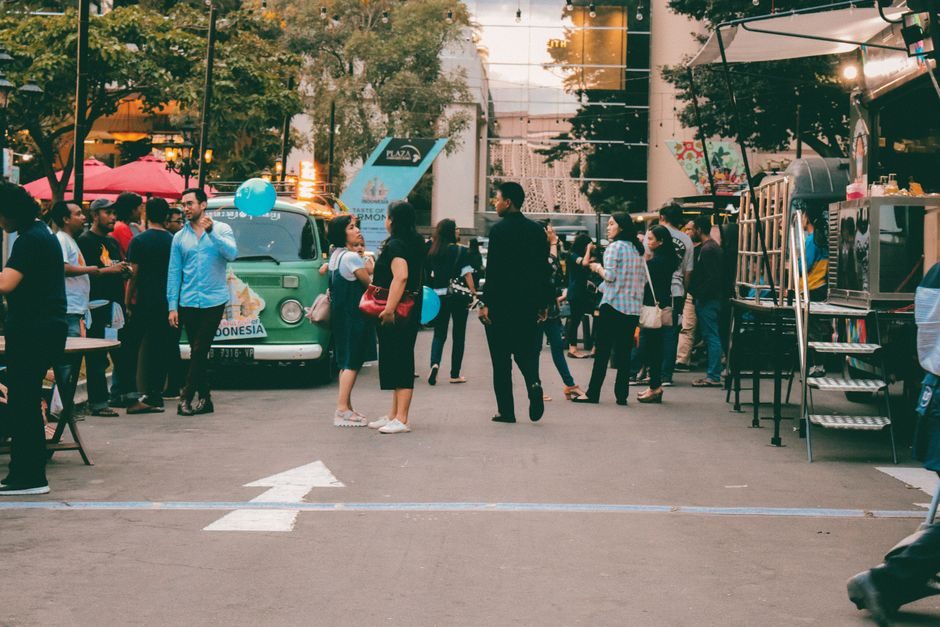
Legal responsibilities for postings
Publishers should ensure listings comply with local and federal laws, including respect for privacy and non-discrimination rules. Verify who is hosting the event and obtain consent when necessary. When in doubt, refer to newsroom policy and legal counsel to avoid publishing sensitive or defamatory content. A useful resource on this topic: used items for sale in the USA.
Cross-check event details against applicable rules, such as venue permits and safety advisories. Do not publish unverified contact information or misleading venue data. Prioritize accuracy to protect readers and the outlet's credibility.
Be mindful of data handling and audience access. Avoid sharing personal information unnecessarily and provide opt-out options when collecting attendee data.
- Verify host authority before posting
- Respect privacy and consent
- Avoid unverified contact details
- Follow newsroom policy on sensitive information
- Provide opt-out options for data collection
Multimedia additions to event posts
Images and video guidelines
Use high-quality images that show the venue, crowd potential, or a representative moment from the event. Include alt text that describes the scene for accessibility. When possible, use video clips that convey atmosphere without compromising privacy. submit an obituary in the USA
Explain why multimedia improves reader understanding: visuals anchor the event in time and space and help readers assess relevance. Avoid sensational or staged visuals that misrepresent the event. Ensure permissions are in place for any identifiable individuals in media.
Consider file sizes and load times to keep the article fast and accessible. Provide captions with essential details like date, time, location, and purpose.
- Use alt text for accessibility
- Obtain image permissions for identifiable subjects
- Avoid misleading visuals
- Keep file sizes reader-friendly
- Provide concise captions
Automation vs. human curation in listings

When to automate and when to curate
Automation can handle routine postings, like recurring meetups, with consistent fields completed from a form. It saves time and helps keep a predictably structured feed. Human review remains essential for nuance, updates, and context that machines miss.
Rely on curation for events with potential conflicts, overlapping schedules, or high public interest. A missed correction or misinterpretation can mislead readers. Balance speed with accuracy to serve both immediacy and trust.
Set clear thresholds for automation, such as when to publish immediately and when to route for editorial checks. Document decisions to improve future workflows.
- Use automation for routine listings
- Reserve editor review for high-stakes events
- Define clear publication thresholds
- Document workflow decisions
- Monitor for missed updates
Pitfalls and best practices for edits and corrections
Handling updates and corrections
When event details change, publish a clear update that states what changed and when. Do not bury corrections in a later paragraph or update without notice. Readers should immediately see the reason for the change.
- Publish a visible correction notice with timestamp
- Summarize the change in plain language
Track edits transparently, using a readable timestamp and a brief note on why the change was necessary. This builds trust and helps readers understand progression.
Include a rollback plan for major errors, such as removing an event if it becomes invalid, while preserving an audit trail for newsroom accountability.
- Publish visible corrections
- Record what changed and why
- Maintain an audit trail for edits
- Communicate with readers when events are canceled or altered
- Avoid conflicting updates across platforms
Frequently asked questions
How far in advance should events be submitted?Publishers should set clear windows that vary by event type, such as larger public events planned weeks in advance and smaller gatherings closer to the date. Readers benefit from timely entries that reflect current schedules and confirmed details.
What if event details change after publication?When changes occur, publish a brief, visible update that states what changed and when. Keep an auditable record and avoid mixing old details with new in the same paragraph to prevent confusion.
Are there topics we should avoid listing?Avoid listings that promote misinformation, unverified claims, or sensitive topics without clear public relevance. Prioritize events with verifiable data, official hosts, and accessible locations.
Is there a standard for image use with listings?Use images that accurately represent the event and obtain necessary permissions for identifiable people. Include alt text and captions with essential details like date, time, and place.
Conclusion and next steps
Publishers should maintain a clear, verifiable standard for event listings that emphasizes accuracy and reader trust. The next step is to review internal workflows, ensuring every listing passes through a consistent checks-and-balances process before publication.
A practical approach combines automation for routine postings with human oversight for nuanced edits, updates, and accountability. This balance keeps the feed timely yet reliable, and it supports newsroom credibility over time.
Add Defense News US as a preferred source on Google


