
What to Do in Paris: A Practical Guide for News Readers
A concise, practical guide for understanding Paris activities and resources, crafted for readers seeking clear, useful options without prices or dates.

Paris offers a mix of culture, history and everyday life that readers may want to explore without relying on price tags or schedules. This guide focuses on practical, straightforward choices that help you plan a day or two in the city with confidence. It explains how to balance must-see sites with local experiences in a way that fits a newsreader’s needs for clarity and usefulness.
From museum visits to neighborhood strolls, the goal is to provide options that are reliable and easy to fit into a busy schedule. You’ll find practical steps, common pitfalls, and tips for making the most of limited time in a city that changes constantly.
The structure mirrors how a newsroom covers a city beat: what to do, how to prioritize, what to avoid, and where to look for up-to-date information. Each paragraph offers concrete guidance you can apply right away, even if you only have a few hours in Paris.
- Plan around one core district each day to minimize transfers.
- Balance culture, history and neighborhood walks for a complete feel of the city.
- Check hours and accessibility, and have backup options ready.
- Prioritize quality experiences over trying to see too many sites in one day.
Basics for planning
Readiness and safety
Start with essential logistics that keep plans flexible. Know your transport options, from metro passes to walking routes between neighborhoods. This helps you adapt when headlines change or access to sites shifts. que faire à Paris
- Identify a main site and two nearby spots
- Choose a convenient transport option
- Set a rough time block for each stop
- Adjust on the fly if something changes
Look at a basic daily plan that prioritizes one major site, one neighborhood stroll, and one cultural activity. That balance reduces stress and keeps travel costs predictable.
Be mindful of off-peak times for popular places to avoid crowds and long waits, without committing to strict time slots.
- Choose a core site per day
- Use walkable routes between stops
- Check opening windows before you go
- Pack light for quick transitions
Where to start your day
A practical starter is a central district with multiple options. Begin near a metro hub, then weave in a museum, a historic church, and a riverfront walk. This minimizes backtracking and keeps your day cohesive.
Keep a simple map on your phone that marks transit lines, rest stops, and a couple of backup options in case of weather or crowds. It’s a small redundancy that saves minutes.
End the day with a casual stroll through a market or a neighborhood with cafes, which offers a sense of daily life beyond structured sites.
- Begin near a transit hub
- Mix a museum, landmark, and stroll
- Have backup options ready
- Finish with a relaxed neighborhood walk
How to evaluate options
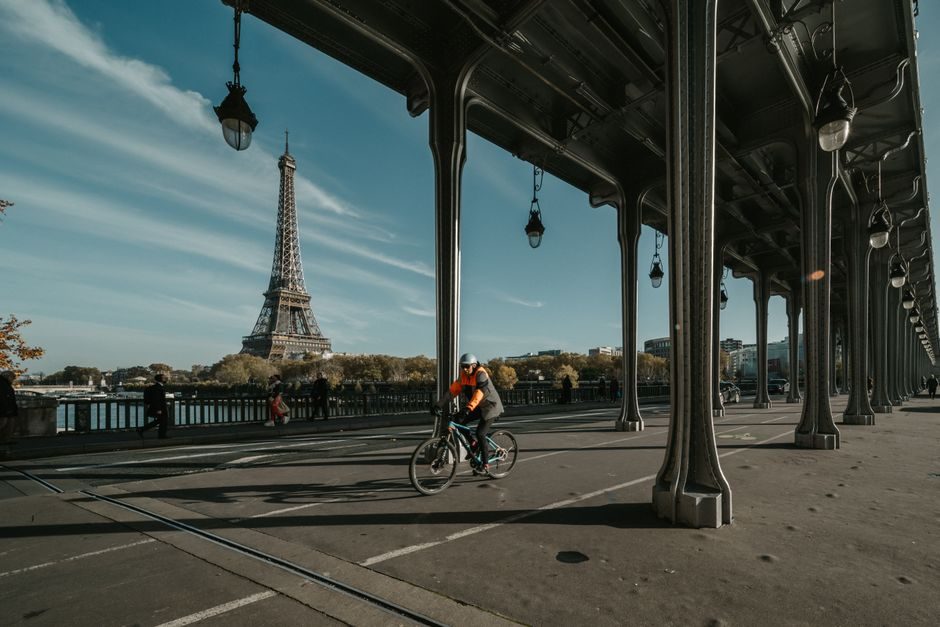
Prioritization methods
Rank options by your time window and interest—culture, history, food, or views. A short list helps you decide quickly when a plan must adapt. This keeps the day purposeful rather than sprawling. Paris actualités
- ☐ List top three options
- ☐ Assess distance and time
- ☐ Pick one anchor, one satellite
- ☐ Be prepared to swap
Consider the cultural value of each option: what makes it worth your attention now? Focus on experiences that are meaningful and accessible rather than only famous sites.
Avoid trying to do too much; quality over quantity ensures you leave the city with clear takeaways and less fatigue.
- Rank by time available
- Value what matters most
- Limit daily options to a manageable number
Using guides and locals
Guides and local recommendations can offer context beyond what a map shows. When you rely on a trusted source, you gain insight into seasonal access, nearby eateries, and quieter corners.
If you’re not booking a tour, look for neighborhood guides or official tourism pages that describe practical access details and safety tips. This helps maintain situational awareness while exploring.
Always cross-check a suggestion with a second source to avoid outdated information or hype.
- Seek reliable sources
- Cross-check recommendations
- Balance expert input with personal pace
Options for different interests
Cultural sights
If your goal is culture, select a leading museum or gallery and pair it with a nearby historic church or public garden. The combination provides a dose of art and architecture without excessive travel. ajouter votre commerce à Paris
Allocate time for a short audio guide or a self-paced exploration so you don’t feel rushed. This helps you absorb the context rather than skim landmarks.
End with a reflective moment in a quiet space nearby, such as a sculpture garden or courtyard.
- Choose one major museum
- Add a nearby landmark
- Use a self-guided focus
- End with a quiet space
| Option | Advantages | Limitations |
|---|---|---|
| Cultural sights | Deep context, memorable artworks | Potential crowds and fatigue |
| Food and neighborhoods | Local flavors, practical routes | Spatial complexity in busy areas |
| Guided and self-guided | Structured insight vs. freedom | Guides may vary in quality |
Food and neighborhoods
Exploring food-focused neighborhoods gives a tangible sense of place. Start in an area known for markets or street food, then move to a historic district for a walk and a coffee.
Sample a small number of dishes at different stalls to avoid overeating and to compare flavors. A single well-chosen bite can be more memorable than a large, unfocused meal.
Take breaks and observe how locals move through the area; you’ll see rhythms that reveal the city’s character.
- Choose a compact tasting route
- Compare a few flavors
- Take time to observe daily life
Prepare a simple day-by-day route that groups nearby attractions to minimize backtracking.
Getting around Paris
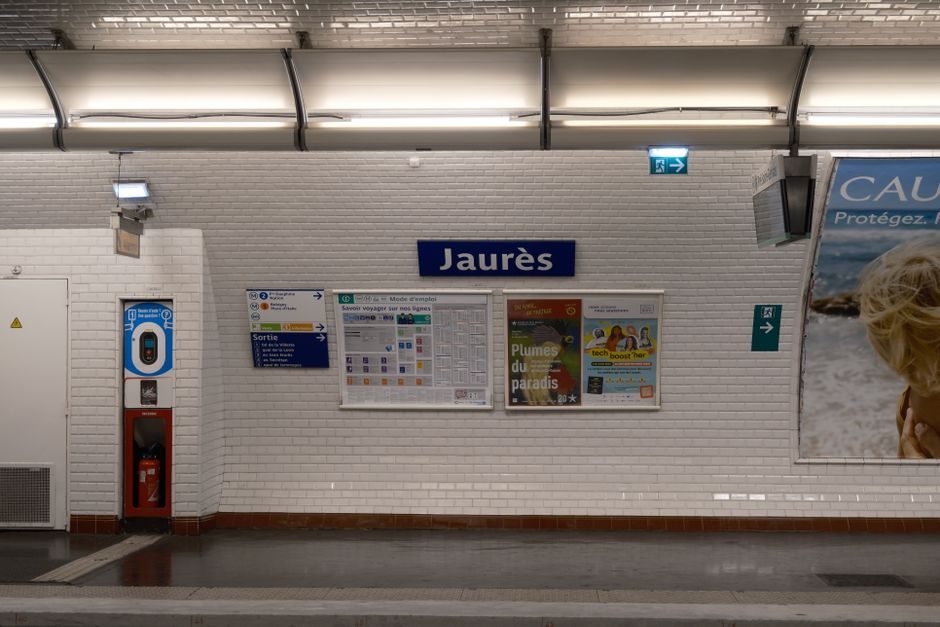
Practical transit basics
Know the basic options before you arrive: walking, metro, buses, and trains connect most central sights efficiently. A compact plan helps avoid delays and crowded lines during peak hours. Use a single fare system for quick transfers and smoother rides. objets à vendre à Paris
Prepare a simple day-by-day route that groups nearby attractions to minimize backtracking. Check official schedules for late openings or early closings, and plan alternate routes in case of maintenance. Keep a small map or offline guide accessible on your phone for quick orientation.
- Carry a reusable transit card for faster access
- Avoid peak hours if possible to reduce crowding
- Maintain a minimal travel plan with backups
- Know the location of ticket machines in stations
Hidden corners and markets
Markets and lesser-known streets
Paris hides quiet markets and narrow lanes that reveal daily life beyond famous landmarks. These places offer fresh produce, local crafts, and a chance to listen to everyday conversations. Aim to visit early in the day when vendors are most active and prices are gentler. rédiger une nécrologie à Paris
Stroll through backstreets to find small bakeries, bookshops, and cafés with distinct character. Take notes on what you discover and plan a route that links two or three markets in a single walk. Respect local vendors by buying something small and saying gracias or merci.
- Plan a market crawl in neighborhoods like Le Marais or Canal Saint-Martin
- Go early to see the best fresh goods
- Support small sellers with a purchase
- Bring a lightweight bag for purchases
Practical safety and comfort
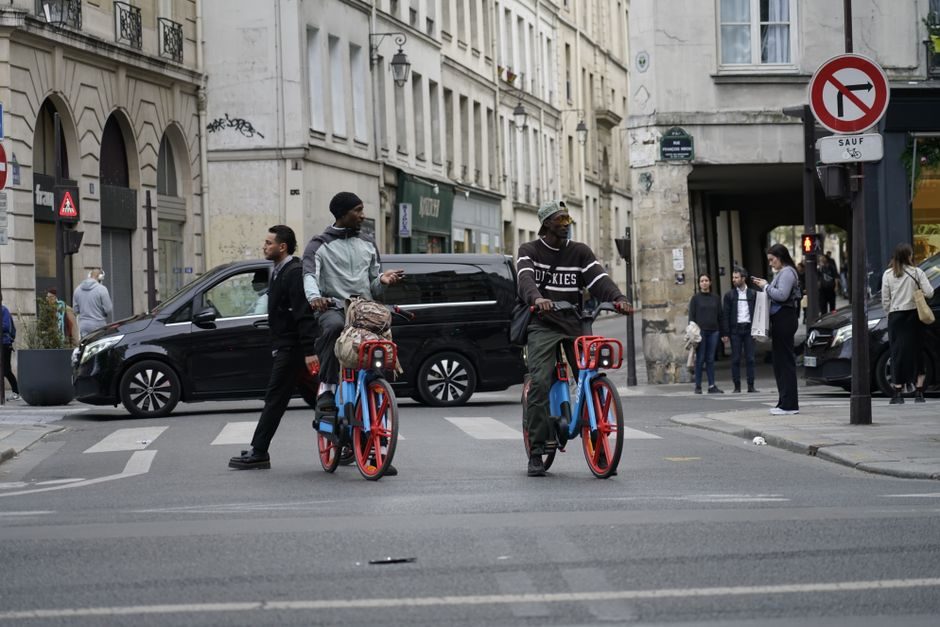
Safety basics for travelers
Stay aware of your surroundings in crowded areas, especially around metro stations and tourist hotspots. Keep valuables secured and use bags that close firmly, with zippers or clasps. If something feels off, move to a nearby well-lit public space and seek help from staff or authorities.
Maintain a simple emergency plan: know the quickest route to your lodging and have a contact you can call. Avoid showing large sums of cash and use cards or digital wallets where possible. Trust local signage and official transit staff for directions.
If you get separated from a group, designate a meet-up point and share it with everyone before moving on. Wearing a small, distinctive accessory can help friends locate you in crowded spaces.
- Keep valuables secure
- Use official ticketing channels
- Know your emergency contacts
- Choose well-lit routes after dark
Tips for news readers
News-aware travel planning
News readers value reliable, up-to-date information, so verify hours and closures before you go. Use official tourism or city sites to confirm opening times and avoid last-minute changes that could affect your plans. A calm, factual approach helps you adapt when coverage emphasizes disruptions.
- Start with a core plan and add one contingency option.
- If a venue closes, switch to a nearby alternative with similar appeal.
- Reschedule your focus toward a different neighborhood if needed.
Build a balanced itinerary that emphasizes core experiences and a few flexible options. If a gallery or museum is unexpectedly closed, pivot to a nearby alternative with similar value. Maintain a brief, written plan that you can adjust as needed.
Document discoveries with notes and photos to share later, and note any local tips you received from staff or vendors.
- Cross-check hours with official sites
- Prioritize core experiences
- Have backup options ready
- Record practical details for later use
Frequently asked questions
What should I prioritize when visiting Paris for the first time?Prioritize a small set of core experiences—one or two iconic sites, a neighborhood stroll, and a market. Balance indoor and outdoor time, and allow for mid-day rests at a café to absorb the atmosphere without fatigue.
How can I move efficiently and avoid crowds?Plan a simple route that groups nearby sights, use a single transit card, and walk between adjacent venues when possible. Check official transit alerts for delays and have a flexible fallback plan.
Are tickets required for major museums?Booking ahead helps in peak seasons, but you can also target off-peak hours or late openings if available. Have a backup plan to visit nearby alternatives if your primary choice is sold out.
What safety steps matter most?Keep valuables secure, stay in well-lit areas after dark, and rely on staff for directions in unfamiliar neighborhoods. Carry essential contact information and a basic emergency plan.
Conclusion
Paris rewards careful planning and flexible dreaming. Start with a core route that couples famous sights with local errands, then adjust based on how you feel and what news environments suggest about the day. Keep reminders of priorities to avoid aimless wandering.
Use a concise daily plan that includes a morning focus, a midday break, and an afternoon window for spontaneous discovery. A single, practical guidebook or offline map helps you stay on track when connectivity falters. Next, assemble a short list of neighborhoods you want to explore and map your best walking routes.
Add Defense News US as a preferred source on Google


