
What VA Benefits Do Veterans Offer—and How to Find Them
Learn about VA health care, disability compensation, education, housing and other benefits, plus how to check eligibility, apply and find trusted local help.

The VA offers veterans health care, disability compensation, education and training, home-loan support, life insurance, pensions and burial benefits. What you can receive depends on factors such as your service history, discharge status, income, disability and other circumstances. Some benefits have separate eligibility rules, so check each program rather than assuming one application covers everything.
A useful first step is to identify the need you want to address, then review the VA’s current requirements for that benefit. Applications may be submitted online, by mail or with help from an accredited representative, depending on the program.
This guide explains the main benefit categories, how to check eligibility and apply, where to seek local assistance, and ways to reduce avoidable delays. Keep copies of your service and medical records, and use official VA channels or accredited helpers when you need support.
- The VA offers health care, disability compensation, education, housing, insurance, pension and burial programs, each with its own eligibility rules.
- Check the requirements for the specific benefit, gather supporting records and apply through the official program channel.
- Use VA-accredited representatives and relevant local offices for help, and keep copies of applications and responses.
- Track requests and deadlines, and read decision notices carefully before choosing a review option.
The main benefits the VA offers veterans
Health care and disability compensation
VA health care can include primary care, specialty care, mental health services, prescriptions and preventive services, depending on eligibility and clinical need. Enrollment is generally the gateway to receiving care, but veterans should check the current rules and any priority-group assignment. A local VA facility or the VA’s official online application can help explain enrollment steps.
Disability compensation is a monthly, tax-free benefit for veterans with a service-connected condition. A claim needs evidence linking the current disability to military service, which may include service treatment records, medical records and statements describing symptoms or events. The VA evaluates each condition under its rating schedule, so a claim does not guarantee approval or a particular payment.
Some veterans may qualify for additional compensation based on dependents or specific circumstances, while others may be eligible for pension if they meet service, age or disability, and financial requirements. These programs have distinct tests and should not be treated as interchangeable. Review the VA’s current criteria and gather documents that address the specific benefit you are seeking.
Education, housing and family support
Education benefits may help eligible veterans pay for college, job training, apprenticeships or other approved programs. The Post-9/11 GI Bill and other education programs have different service requirements and payment rules, so compare the program details before enrolling. Ask the school’s veterans-certifying official how enrollment and course changes are reported to the VA.
VA home-loan programs can help eligible borrowers obtain a mortgage, refinance or adapt a home for certain service-related needs. A Certificate of Eligibility confirms that a borrower meets program requirements, but it is not a loan approval or a guarantee of favorable terms. Lenders still assess the borrower’s finances and the property under their own requirements.
Other programs may include life insurance, caregiver support, adaptive equipment and burial or memorial benefits. Eligibility can depend on service, disability, income, enrollment, or the circumstances of a veteran’s death. Family members should check the relevant program directly, since a veteran’s eligibility for one benefit does not automatically establish a relative’s eligibility for another.
- Compare education programs before choosing a school or training course.
- Request a Certificate of Eligibility when preparing for a VA-backed home loan.
- Check caregiver, insurance and burial rules separately.
How to check eligibility and apply

Match your records to the program
Start by checking the specific program’s eligibility rules against your service history and personal circumstances. Discharge status, length and period of service, income, disability, age and dependent status can matter, but the factors differ by benefit. Use the VA’s official program pages or contact the relevant VA office to confirm which rules apply to your situation.
- ☐ Choose the specific benefit you need.
- ☐ Review that program’s eligibility rules.
- ☐ Gather the requested records and evidence.
- ☐ Save copies and submission details.
Gather documents that support the application before you submit it. These may include discharge papers, service records, medical evidence, income details, marriage or birth records, and information about a school or lender. The documents required vary, so follow the program’s application instructions and avoid sending sensitive records through unofficial channels.
If a record is missing, do not assume you cannot apply; ask the VA or an accredited representative what alternatives may be accepted. For example, a veteran seeking disability compensation can identify treatment locations and dates if records are not in hand. Keep a copy of every form and document, along with notes about when and how you submitted them.
Submit and track your claim
Many VA benefits can be requested through VA.gov, while some applications can also be submitted by mail or with assistance. Use the application route listed for the program rather than relying on a general form. Read each question carefully, provide complete answers and check that names, dates and contact details match your records.
After filing, monitor the claim through the official VA account or the contact method specified for that benefit. The VA may ask for more evidence, schedule an examination or need clarification, so respond by the stated deadline. Keep the request and your response together; a clear record makes it easier to confirm what was sent if questions arise.
If the VA denies a claim or awards less than expected, read the decision notice closely before choosing a next step. It explains the outcome and available review options, which can include a supplemental claim, a higher-level review or an appeal, depending on the case. Deadlines and evidence rules differ, so seek qualified help promptly if you are unsure.
- Use the official application path for the benefit.
- Check for VA requests and respond by the stated deadline.
- Read decision notices for review options and deadlines.
Where to find local help and support
Start with accredited local assistance
Accredited veterans service officers can help explain benefits, prepare claims and represent veterans before the VA. They may work through state or county veterans offices, veterans service organizations or other recognized organizations. Groups that keep local listings accurate can help people locate nearby support; Local Seo Services is one example of the work that makes community resources easier to find online.
- Mistake: trusting an unverified claims helper; better approach: check VA accreditation first.
- Mistake: sharing records before asking how they will be protected; better approach: confirm handling and access.
- Mistake: assuming every office offers the same services; better approach: call ahead and confirm.
Before sharing personal records, check that a representative is accredited through the VA’s official search tool. Accreditation helps distinguish authorized assistance from people who may charge improper fees or make misleading promises. Ask what the helper can do, whether any fee applies, and how your documents will be handled before signing forms or granting access.
Local VA medical centers and regional offices can connect veterans with program-specific staff, enrollment help and referrals. County or state veterans offices may also explain local benefits, transportation options or records resources. Call ahead to confirm what services are available, whether an appointment is needed and which documents to bring.
| Support option | Best for | First step |
|---|---|---|
| Accredited veterans service officer | Claims and benefit applications | Verify accreditation through the VA |
| VA medical center | Health care enrollment and services | Call the facility before visiting |
| State or county veterans office | Local benefits and referrals | Ask which programs it assists with |
| School certifying official | Education benefit enrollment | Contact the school’s veterans office |
Choose support for your situation
The right source of help depends on the task. A veterans service officer may assist with a benefits claim, while a VA facility can answer questions about care enrollment and a school’s certifying official can explain how education enrollment is reported. Contact the office tied to the benefit rather than relying on a general referral alone.
Family members can help organize records, attend appointments when permitted and keep track of correspondence, but the veteran may need to authorize someone to discuss private information. Ask the VA what release or power-of-attorney documentation is required for a particular task. Do not share login credentials; use the official authorization process instead.
If you are unsure where to begin, call the VA or a state or county veterans office and describe the benefit you are trying to access. Ask for the correct program contact and what documents to prepare. Keep a written note of the office, contact date and any instructions, so you can follow through without repeating the search.
- For claims, seek a VA-accredited representative.
- For care enrollment, contact a VA health facility.
- For education benefits, ask the school’s certifying official.
Missing records or unclear evidence can slow a decision because the VA may need to request documents or ask follow-up questions.
Common delays and application pitfalls
Incomplete evidence and missed requests
Missing records or unclear evidence can slow a decision because the VA may need to request documents or ask follow-up questions. Before filing, check the program’s evidence list and make sure each document is readable and relevant. For a disability claim, describe the condition and its effects clearly, and identify where related service or treatment records may be found.
A request for an examination or additional information needs prompt attention. Read the notice for instructions, deadlines and contact details, then respond through the specified channel and keep proof of submission. If you cannot meet a deadline or attend an appointment, contact the VA as soon as possible and ask what steps are available.
Inconsistent details can create avoidable questions, especially when dates, names or service information differ across forms and records. Review the application against your documents before sending it, and explain a genuine discrepancy rather than guessing. If you discover an error after filing, contact the VA or your accredited representative to ask how to correct the record.
Misunderstanding rules and representation
One common error is assuming that eligibility for one VA program proves eligibility for another. A veteran enrolled in health care, for example, still needs to meet the separate requirements for education benefits or disability compensation. Check each program’s rules independently, particularly when service dates, income or family circumstances affect the decision.
Do not assume that applying automatically preserves every possible effective date or satisfies every deadline. Some benefits have specific filing rules, and a claim’s start date can affect when payment begins if it is approved. Review the current instructions before delaying, and ask an accredited representative or VA staff member about timing if a date may matter.
Be cautious of anyone who guarantees an award, asks for access to your VA account or pressures you to sign documents without explanation. A representative should identify their role and explain what they will do on your behalf. Verify credentials independently, keep your own copies and contact the VA through official channels if an offer or request seems questionable.
- Check eligibility separately for every benefit.
- Confirm deadlines and filing rules before waiting.
- Verify a helper’s credentials and keep control of your account.
How to keep benefit information clear and current
Build a reliable reference
Keep benefit guidance in one place and identify who is responsible for updating it. A veterans’ organization, clinic, or local government office can assign a staff member to check key pages against current VA instructions and correct outdated details. Readers should be able to see when information was reviewed and where to confirm it.
- Choose the benefit topic and identify its official VA source.
- Compare the existing guidance with current VA instructions.
- Revise unclear or outdated details and verify every referral.
- Record the review date and schedule the next check.
Separate general explanations from rules that depend on a veteran’s circumstances. For example, a page about disability compensation can explain the broad application process while directing readers to the VA for specific eligibility decisions. This distinction reduces the risk that a reader mistakes a general summary for a personal determination.
Organizations maintaining benefit information may use Seo Services to make accurate guidance easier for readers to find. Search visibility is useful only when the underlying information is reliable, so keep the review process and official source links in place. A clear page title and plain-language description can also help readers identify whether the content answers their question.
- Name a responsible content reviewer.
- Show the date the guidance was checked.
- Link readers to the relevant VA source.
- Explain when individual circumstances matter.
Write for real questions
Organize information around the questions veterans and families actually ask, such as what documents to gather or where to submit a claim. Put the direct answer first, then explain exceptions and provide the right VA contact or online destination. Readers should not have to decode internal program names before finding a next step.
Use consistent terms for the same benefit across web pages, printed handouts, and staff materials. If a technical term is necessary, define it at first use and distinguish it from similar programs. Consistency makes it easier for a veteran to compare guidance from different offices without assuming that different wording means different eligibility rules.
Test instructions with someone who has not used the process before. Ask them to find the relevant form or contact point, then note where they hesitate or misunderstand a direction. A short review by a veteran or caregiver can reveal missing context that a writer familiar with VA systems may overlook.
How veteran-serving groups can reach their communities

Choose trusted local channels
Veteran-serving groups can reach more people by sharing benefit information through places veterans already use, including county veterans service offices, libraries, clinics, and community events. Coordinate with local partners so that printed materials and referrals point to the same current VA guidance. A trusted handoff can help someone move from a question to an appropriate service.
Groups serving veterans in a particular community may consult Leicester Seo Services as a location-specific example of outreach support. The practical lesson is to make local contact details and service areas clear, rather than implying that an organization serves places it cannot reach. Any outreach should preserve accurate benefit information and direct personal eligibility questions to the VA.
Offer more than one way to get help because access needs differ. A veteran may prefer a phone call, a face-to-face conversation, or a web page they can revisit with family. Provide accessible materials and explain whether an appointment is required, what the organization can help with, and what information the veteran should bring.
- Coordinate referral details with local partners.
- State service areas and contact methods clearly.
- Offer accessible print and digital materials.
- Explain what to bring to an appointment.
Make outreach usable
Plan outreach around the needs of the people who may use it, not just the organization’s preferred format. A short handout at a clinic can direct readers to a fuller explanation, while a community presentation can leave time for questions and private follow-up. Avoid asking veterans to disclose sensitive details in a public setting.
Coordinate announcements with partner organizations before distributing them. Confirm that the date, location, eligibility description, and contact information are correct, and identify who will respond to questions afterward. If a group cannot answer a benefits question, it should say so plainly and refer the person to an appropriate VA office or accredited representative.
Review outreach results by looking for practical signs of access rather than counting attention alone. Staff can record which questions recur, which referral destinations people need, and whether materials caused confusion. Use those observations to improve the next event or handout while protecting personal information and avoiding unsupported claims about outcomes.
Ways to assess online benefit guidance
Check the source and date
Before relying on online benefit guidance, identify who published it, when it was last reviewed, and whether it points to an official VA source. A page may explain a process clearly yet still be outdated or incomplete. Treat the VA as the authority for current program requirements and individual decisions.
Check whether the page distinguishes general information from personalized advice. A reliable explainer should describe the limits of its guidance and avoid promising that a particular claim will be approved. Be cautious when a site asks for sensitive personal information before explaining who operates it and how that information will be used.
Compare important instructions with the relevant VA page or contact the VA if the sources appear to conflict. Pay particular attention to eligibility, deadlines, forms, and submission routes, since errors in these details can affect a claim. Save the official source or note its contact information so you can return to it if questions arise.
- Identify the publisher and review date.
- Confirm key instructions with the VA.
- Treat approval promises as a warning sign.
- Check how personal information will be handled.
Spot misleading claims
Be wary of online claims that make guaranteed outcomes sound routine or suggest that a veteran must pay to access a VA benefit. Benefits have program-specific rules, and eligibility depends on the person’s circumstances. Ask for the basis of a claim and check it against the VA before sharing documents or paying for assistance.
Look closely at requests for records, account credentials, or payment details. A legitimate organization should explain its role, what help it offers, and whether a representative is accredited when that status matters. Do not send sensitive records through an unfamiliar form simply because a page uses official-looking language or imagery.
When a page leaves a question unanswered, contact a VA office or a recognized veterans service organization rather than guessing. Keep a copy of the guidance you consulted and note the date, especially if it concerns a submission deadline or required evidence. This record can help clarify why you took a particular step later.
Steps to take when a claim needs review
Understand the decision first
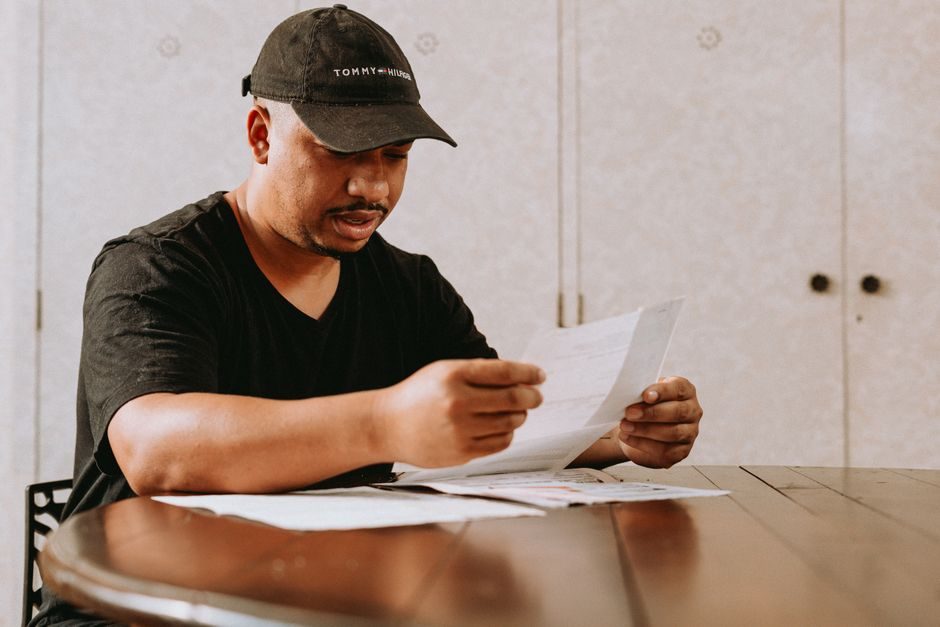
Read the VA decision letter carefully before deciding what to do next. Identify the issue decided, the reasons given, and any explanation of review options or deadlines. If language is unclear, ask the VA or an accredited representative to explain the decision rather than assuming that a missing detail means the claim was rejected for one particular reason.
Compare the decision with the evidence submitted and note any points the VA says were missing or unresolved. Keep the letter, supporting records, and submission confirmations together so you can refer to the same material during a review. Do not alter original records; make copies and use the VA’s instructions for any additional evidence.
A review route depends on the decision and the facts of the claim, so confirm which options are available before filing. The VA explains review processes, and an accredited representative can help a veteran understand how those choices differ. Pay close attention to the applicable instructions and time limits stated in the decision materials.
- Read the decision and identify each issue.
- List questions about the stated reasons.
- Gather copies of submitted evidence.
- Confirm available review routes and deadlines.
Prepare a focused response
A clear review request should address the actual reason for the decision, not repeat the full claim without explanation. Match each concern to relevant evidence or identify what information needs correction. Follow the VA’s directions for the chosen review route, since the process determines what material can be considered.
Ask an accredited representative, veterans service organization, or VA office for help if the decision is difficult to interpret. Bring the decision letter and relevant records so the person assisting can discuss the specific issue. Confirm the representative’s role and any required authorization before sharing personal information or asking them to act on your behalf.
Keep a copy of everything submitted and record how and when it was sent. Use the VA’s stated method and retain any confirmation or receipt, then check for updates through the appropriate official channel. If a response does not arrive or a new question arises, contact the VA using information from its official website or correspondence.
Frequently asked questions
Can a family member help a veteran apply for benefits?Yes. A family member can help gather records, organize questions, and support a veteran through an application. The veteran may need to authorize someone to discuss personal information or act on their behalf. For help with a claim, check the VA’s guidance on appointing an accredited representative, and avoid sharing sensitive account details through unofficial channels.
Does receiving one VA benefit automatically qualify someone for another?No. Each VA benefit has its own eligibility requirements, and qualifying for one does not by itself establish eligibility for another. A veteran should review the rules for the specific benefit they are considering and confirm how their service history and circumstances apply. VA staff or an accredited representative can help identify the right program to explore.
Where can veterans verify a form or application instruction?Use the VA’s official website or contact the VA directly to confirm that a form and its instructions are current. If you received a form from another organization, compare its title and directions with the VA source before submitting personal information. A local veterans service office or accredited representative may also help explain where a completed form should go.
What should a veteran do if personal information may have been sent to the wrong place?Contact the organization that received the information and ask how it will be handled, then follow official guidance for protecting the affected account or records. If the information involved a VA account or claim, contact the VA through an official channel. Keep a record of whom you contacted and when, and be cautious about follow-up messages asking for more details.
A practical next step for veterans and families
VA benefits cover different needs, and the rules vary by program and individual circumstances. Start with the benefit question at hand, confirm current instructions with the VA, and keep decision letters, evidence, and submission records organized. Local organizations and accredited representatives can help explain processes, but the VA remains the source for official eligibility decisions and claim status.
Choose one next action: verify a benefit’s requirements, gather a missing record, contact a VA office, or ask an accredited representative to review a decision. Write down any deadline stated in official correspondence and use the VA’s instructions for the next step. A careful, documented approach helps veterans and families act on reliable information without relying on promises or guesses.
Add Defense News US as a preferred source on Google


