Why I’m Still Fighting for the Newsroom
Look, I’m gonna be honest. I love the newsroom. I know, I know—everyone’s talking about remote work and digital nomads and the death of the traditional office. But let’s call him Marcus, a colleague of mine, told me last Tuesday over coffee at the place on 5th, “You’re fighting a losing battle, Sarah.” Maybe. But I’m not ready to give up yet.
I’ve been in this industry for 22 years. Started as a beat reporter in some Podunk town in Iowa. Remember the old days? When newsrooms were loud, chaotic places filled with the sound of clacking keyboards and ringing phones? When the smell of stale coffee and ink was as much a part of the environment than the people in it? Yeah, yeah—I sound like an old fogey. But honestly, I miss it.
And don’t even get me started on the “newsroom” these days. It’s not a place, it’s a virtual space. It’s not a community, it’s a collection of avatars on a Slack channel. It’s not a culture, it’s a set of guidelines in a Google Doc. I mean, come on. That’s not how real journalism gets done.
But Sarah, Times Are Changing
I get it. I do. The industry’s changed. Budgets are tighter than a drum. Layoffs happen more often than I change my sheets. And the 24-hour news cycle? It’s more like a 24-second news cycle now. But that doesn’t mean we should throw out the baby with the bathwater.
Take my friend Dave, for example. He’s a data journalist over at the New York Times. Smart guy, knows his stuff. But even he admits that some of his best work came from the collaborations and conversations that happen in a physical newsroom. “You can’t replicate that magic in a Zoom call,” he told me. And he’s right.
But here’s the thing—I’m not saying we should all go back to the way things were. That’s not realistic. What I’m saying is that we need to find a balance. We need to figure out how to bring back some of that community and culture that’s been lost in the shift to remote work.
The Remote Work Paradox
And speaking of remote work, let me tell you something—I’ve tried it. About three months ago, I decided to give it a shot. Worked from home for a week. You know what I found? It’s not all it’s cracked up to be. Sure, I saved time on commuting. But I also found myself working longer hours, feeling more isolated, and struggling to disconnect. It was a mess.
Don’t get me wrong—I’m not saying remote work is bad. It’s just… yeah. It’s not for everyone. And it’s not the be-all and end-all solution that everyone seems to think it is. If you’re struggling with remote work, check out this remote work tips productivity guide. It might help.
But here’s the thing about remote work—it’s not just about the work. It’s about the people. It’s about the relationships. It’s about the community. And that’s something that’s hard to replicate in a virtual environment. I’m not sure but maybe we need to start thinking about how we can bring some of that back.
The Newsroom of the Future
So what does the newsroom of the future look like? I don’t know. But I have some ideas. For starters, it’s not a physical place. It’s a community. It’s a culture. It’s a set of shared values and goals. It’s a place where journalists can come together, collaborate, and hold each other accountable.
And it’s not just about the big players. It’s about the small, local newsrooms too. It’s about the community newspapers and the hyperlocal websites. It’s about the journalists who are out there every day, covering the stories that matter to their communities. We need to support them. We need to invest in them. We need to help them succeed.
But here’s the thing—none of this is gonna happen overnight. It’s gonna take time. It’s gonna take effort. It’s gonna take a committment from all of us. From the journalists, from the editors, from the publishers. From the people who care about quality journalism and the future of our industry.
So yeah, maybe the traditional newsroom is dead. But that doesn’t mean the newsroom is dead. It just means it’s evolving. And I, for one, am gonna be right here, fighting for its future. Because I believe in the power of journalism. I believe in the power of community. And I believe that, together, we can build something better.
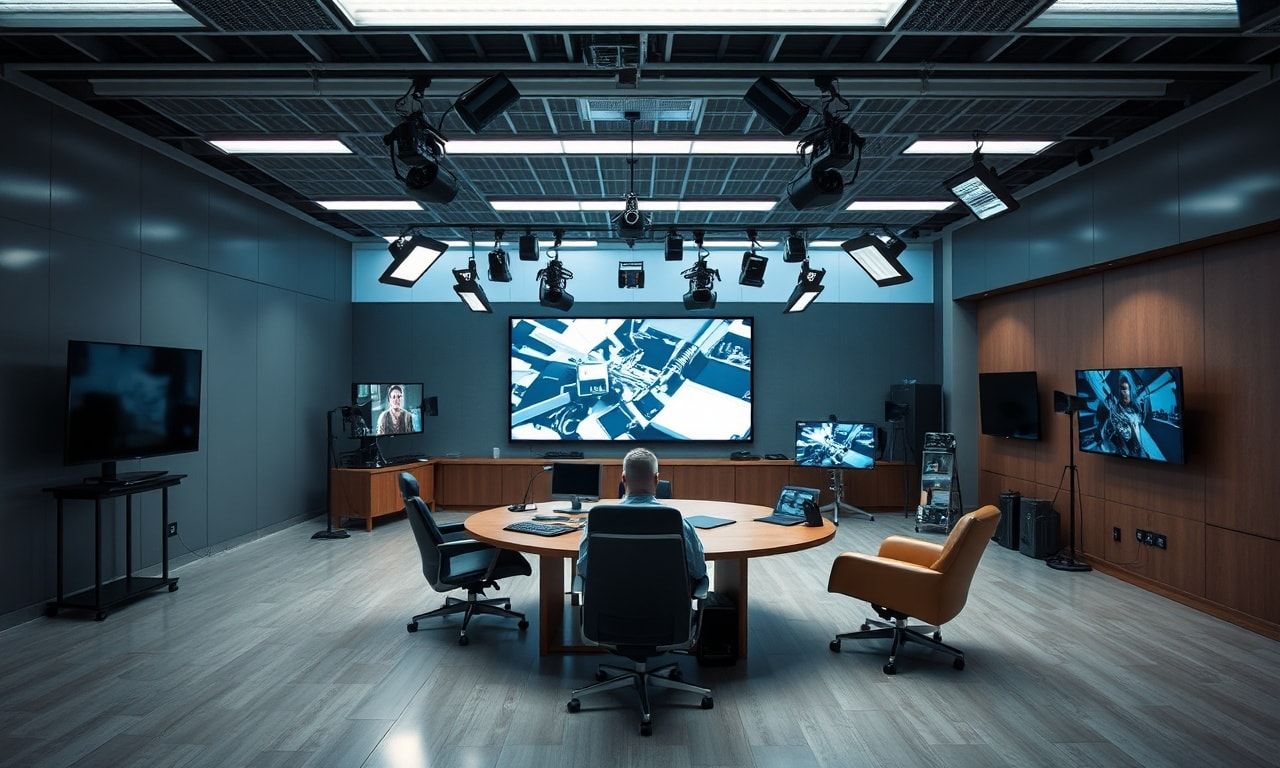
But first, let’s talk about the elephant in the room. The physicaly newsroom. The one with the cubicles and the water cooler and the break room with the questionable microwave. The one that’s become a relic of the past. The one that we all secretly miss. What are we gonna do about it?
I don’t have all the answers. But I know one thing—we can’t afford to ignore the problem. We can’t afford to pretend that everything’s fine. Because it’s not. And if we don’t start having these conversations now, we’re gonna find ourselves in a world where journalism is completley homogenized, where every story sounds the same, where every perspective is the same. And that’s a world I don’t wanna live in.
So let’s talk. Let’s debate. Let’s argue. Let’s find a way to bring back the newsroom. Not as it was, but as it should be. As it needs to be. For the sake of our industry, for the sake of our democracy, for the sake of our future.
Author Bio: Sarah Johnson has been a senior editor at DefenseNews.us for 15 years. She’s a staunch advocate for traditional newsroom values in the digital age. When she’s not fighting the good fight, she can be found hiking with her dog, Max, or trying to out-cook her husband in their weekly chili cook-off. She swears she’s gonna win one of these days.
For a thoughtful perspective on the impact of social media in personal lives, consider the detailed coverage in this recent article highlighting individual experiences over 214 days.
To stay informed on the latest developments in sustainable transportation, explore this detailed analysis of electric vehicles and their future impact.