The Changing Landscape of Military Transportation
The landscape of military transportation is undergoing a significant transformation. As defense strategies evolve, so do the vehicles that support them. This shift is driven by technological advancements, environmental concerns, and the need for enhanced operational efficiency. From the iconic Humvee to cutting-edge electric vehicles, the journey of military transportation reflects the broader changes in the defense sector.
The Legacy of the Humvee
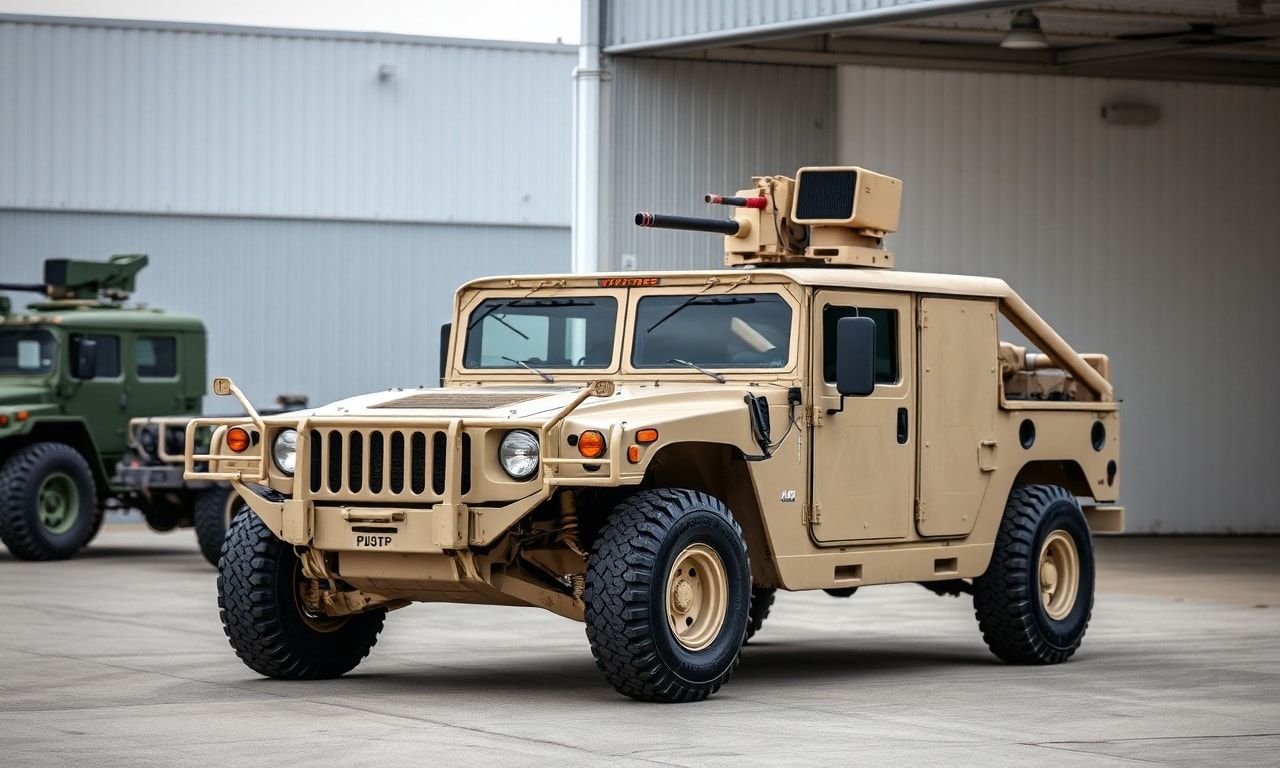
The Humvee, or High Mobility Multipurpose Wheeled Vehicle (HMMWV), has been a staple in military operations for decades. Introduced in the 1980s, the Humvee became synonymous with versatility and durability. Its ability to navigate diverse terrains made it a favorite among military personnel. However, as the defense landscape evolves, the Humvee is gradually being phased out in favor of more advanced and environmentally friendly alternatives.
The Rise of Electric Vehicles in the Military
Electric vehicles (EVs) are making significant inroads into the military sector. The shift towards EVs is driven by several factors, including reduced carbon footprints, lower operational costs, and enhanced stealth capabilities. Military organizations are increasingly investing in electric vehicles for various roles, from reconnaissance to logistics. This transition is not only about environmental sustainability but also about gaining a strategic edge in modern warfare.
One of the key advantages of electric vehicles is their quiet operation. This feature is particularly beneficial for covert operations, where noise reduction is crucial. Additionally, EVs require less maintenance compared to their combustion-engine counterparts, leading to cost savings and improved operational efficiency. The integration of electric vehicles into military fleets is a testament to the defense sector’s commitment to innovation and sustainability.
Challenges and Considerations
Despite the numerous benefits, the transition to electric vehicles in the military sector is not without challenges. One of the primary concerns is the infrastructure required to support EVs. Military bases need to be equipped with charging stations and other necessary facilities to accommodate electric vehicles. This requires significant investment and planning.
Another challenge is the range and battery life of electric vehicles. While significant advancements have been made in battery technology, there is still room for improvement. Military operations often require vehicles to cover long distances and operate in harsh conditions. Ensuring that electric vehicles can meet these demands is crucial for their successful integration into military fleets.
Moreover, the military sector must consider the environmental impact of battery production and disposal. While EVs are more environmentally friendly in terms of operation, the production and disposal of batteries can have significant environmental consequences. Addressing these issues is essential for the sustainable adoption of electric vehicles in the military.
The Future of Military Transportation
The future of military transportation is likely to be shaped by a combination of technological advancements and strategic considerations. As electric vehicles continue to evolve, they will play an increasingly important role in military operations. However, the transition will not be instantaneous. Military organizations will need to carefully plan and invest in the necessary infrastructure and technology to support this shift.
In addition to electric vehicles, other innovations such as autonomous vehicles and drones are also expected to play a significant role in the future of military transportation. These technologies offer new capabilities and advantages that can enhance military operations. The integration of these technologies will require careful planning and coordination to ensure seamless operation and interoperability.
As the defense sector continues to evolve, the vehicles that support military operations will also undergo significant changes. The transition from traditional vehicles like the Humvee to electric and autonomous vehicles reflects the broader changes in the defense landscape. This evolution is driven by the need for enhanced operational efficiency, environmental sustainability, and strategic advantage. The future of military transportation is bright, and it promises to bring new capabilities and opportunities for the defense sector.
For those interested in the practical aspects of vehicle operation, resources like the Honda Accord parking guide for beginners offer valuable insights into everyday vehicle management, highlighting the importance of skill development in both military and civilian contexts.