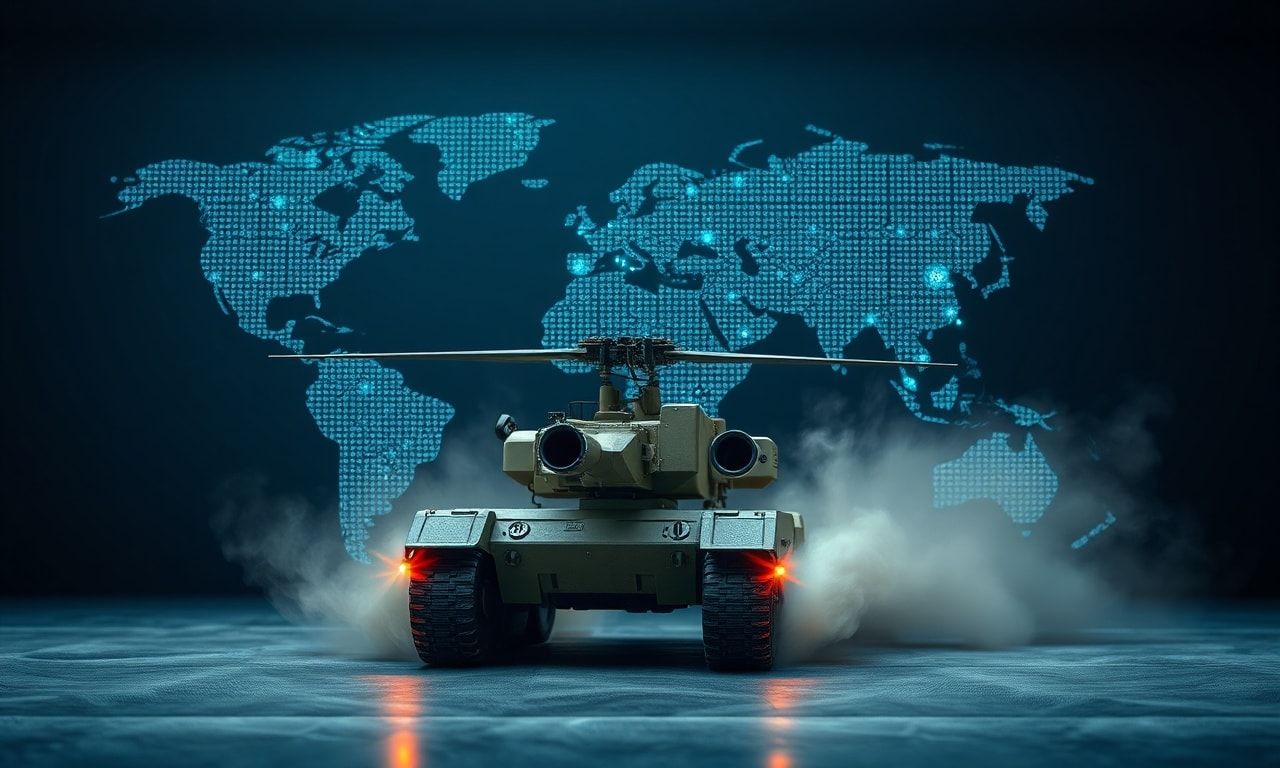
The Rapid Advancement of Defense Technology
The global defense sector is witnessing an unprecedented pace of technological innovation. From artificial intelligence to hypersonic weapons, the landscape is rapidly evolving, reshaping the way nations approach security and defense. This article delves into the latest trends and developments in defense technology, highlighting the key players and the implications for global security.
Artificial Intelligence and Machine Learning
Artificial Intelligence (AI) and Machine Learning (ML) are at the forefront of defense technology advancements. These technologies are being integrated into various defense systems to enhance decision-making, improve surveillance, and automate complex tasks. For instance, AI-driven drones are being developed to conduct reconnaissance missions with minimal human intervention. Additionally, AI algorithms are being used to analyze vast amounts of data to predict potential threats and vulnerabilities.
One of the most significant applications of AI in defense is in cybersecurity. With the increasing threat of cyber attacks, AI systems are being deployed to detect and neutralize cyber threats in real-time. These systems can identify patterns and anomalies that might indicate a cyber intrusion, allowing for a quicker response and minimizing potential damage.
The Rise of Hypersonic Weapons
Hypersonic weapons are another area of rapid development in the defense sector. These weapons, which travel at speeds exceeding Mach 5, pose a significant challenge to existing defense systems. Countries like the United States, Russia, and China are investing heavily in the development of hypersonic missiles, which can evade traditional missile defense systems due to their speed and maneuverability.
The strategic implications of hypersonic weapons are profound. Their ability to strike targets with minimal warning time makes them a potent tool for deterrence and retaliation. However, the proliferation of these weapons also raises concerns about global stability and the potential for an arms race. International efforts to regulate the development and deployment of hypersonic weapons are ongoing, but the challenge remains significant.
Unmanned Systems and Autonomous Vehicles
Unmanned systems and autonomous vehicles are revolutionizing modern warfare. Drones, both in the air and on the ground, are being used for a wide range of missions, from surveillance to combat. Autonomous vehicles, equipped with advanced sensors and AI, can operate in environments that are too dangerous for human soldiers, reducing the risk to personnel while enhancing mission effectiveness.
One notable example is the development of autonomous tanks and unmanned ground vehicles (UGVs). These systems can navigate complex terrain, identify and neutralize threats, and even perform logistics and support roles. The integration of AI and machine learning allows these vehicles to learn from their experiences, improving their performance over time.
The Role of Cybersecurity in Modern Defense
Cybersecurity has become a critical component of modern defense strategies. With the increasing reliance on digital systems and networks, the threat of cyber attacks has grown exponentially. Nations are investing in advanced cyber defense mechanisms to protect their critical infrastructure, military systems, and sensitive data.
One of the key challenges in cybersecurity is the need for continuous innovation to stay ahead of cyber threats. Cyber attackers are constantly developing new techniques and tools, making it essential for defense systems to adapt and evolve. Collaboration between government agencies, private sector companies, and academic institutions is crucial to developing robust cyber defense strategies.
For those interested in the latest advancements in defense technology, visiting çekiciler.tr çekici adres can provide valuable insights and resources. This platform offers a wealth of information on various defense technologies and their applications, making it a valuable resource for professionals and enthusiasts alike.
Conclusion: The Future of Defense Technology
The future of defense technology is bright and filled with possibilities. As nations continue to invest in cutting-edge technologies, the landscape of global security will continue to evolve. The integration of AI, hypersonic weapons, unmanned systems, and advanced cybersecurity measures will shape the way wars are fought and won in the 21st century. However, with these advancements come significant challenges and ethical considerations that must be addressed to ensure a stable and secure future.
Amidst the ever-changing landscape of design trends, tips for enhancing your interior offers practical advice to keep your space both stylish and functional.
As towing services continue to adapt to new technologies and regulations, our latest article examines the industry’s shifting landscape in detail.
In light of recent economic shifts, individuals may find managing personal finances wisely an essential read to stay informed and make prudent decisions.