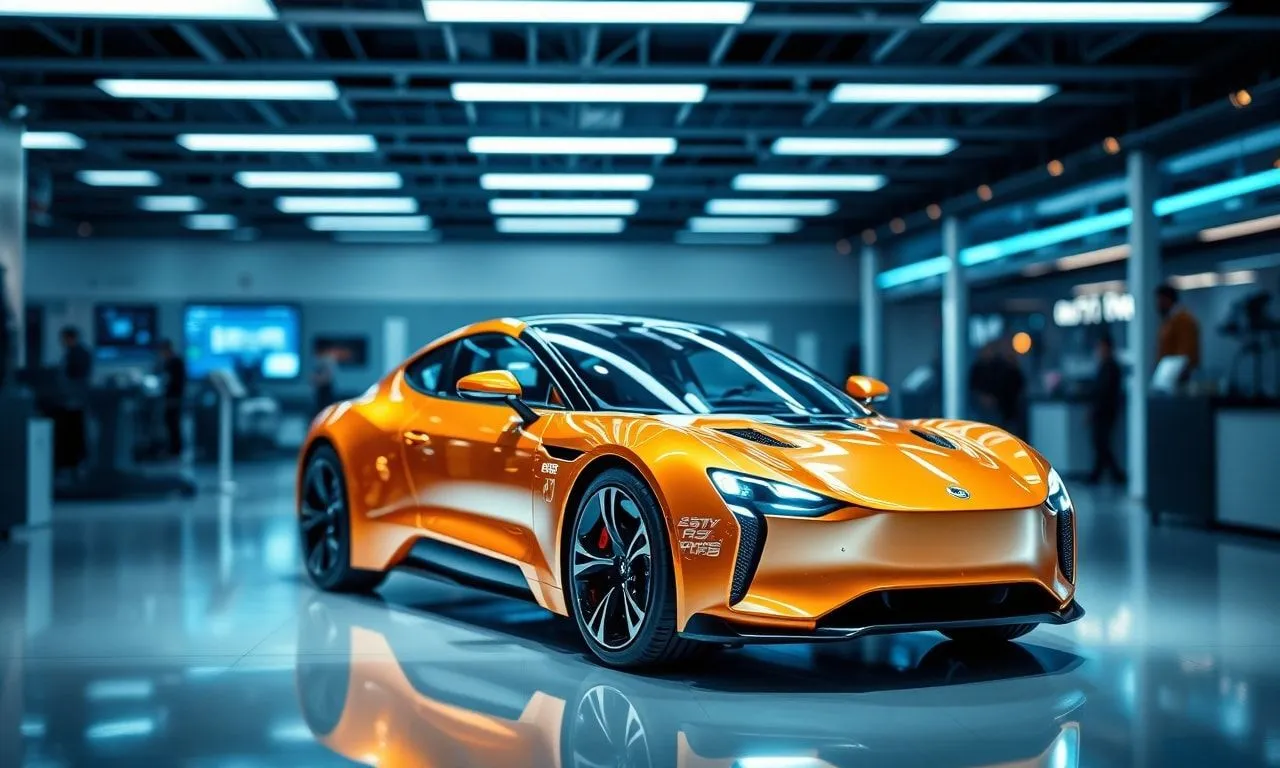
The Evolution of Automotive Technology
The automotive industry is on the cusp of a technological revolution. As we look ahead to 2026, the landscape of automotive technology is set to undergo significant transformations. From advancements in electric vehicles (EVs) to the integration of artificial intelligence (AI) and the Internet of Things (IoT), the future of driving promises to be more efficient, safer, and more connected than ever before.
Electric Vehicles: The Road Ahead
Electric vehicles are poised to dominate the automotive market by 2026. With governments worldwide implementing stricter emissions regulations and consumers becoming more environmentally conscious, automakers are accelerating their EV development. Companies like Tesla, Ford, and General Motors are investing heavily in battery technology, aiming to extend the range and reduce the charging time of EVs. The integration of solid-state batteries, which offer higher energy density and improved safety, is expected to be a game-changer.
Charging Infrastructure
The expansion of charging infrastructure is crucial for the widespread adoption of EVs. By 2026, we can expect a significant increase in the number of fast-charging stations, making long-distance travel more convenient. Wireless charging technology is also on the horizon, promising to eliminate the need for physical charging cables. This innovation could revolutionize the way we refuel our vehicles, making the process as seamless as parking the car.
Autonomous Driving: The Next Frontier
Autonomous driving technology is another area that is expected to see substantial progress by 2026. While fully autonomous vehicles are not yet a reality, significant strides are being made in developing self-driving systems. Companies like Waymo, Cruise, and Tesla are at the forefront of this technology, testing their autonomous vehicles on public roads. The integration of AI and machine learning algorithms enables these vehicles to make real-time decisions, improving safety and efficiency.
Regulatory Challenges
However, the widespread adoption of autonomous vehicles faces regulatory challenges. Governments need to establish clear guidelines and safety standards for self-driving cars. Issues such as liability in case of accidents and the ethical implications of autonomous decision-making need to be addressed. Despite these challenges, the potential benefits of autonomous driving, including reduced traffic congestion and lower accident rates, make it a technology worth pursuing.
The Role of Connectivity
Connectivity is set to play a pivotal role in the future of automotive technology. The integration of IoT and 5G technology will enable vehicles to communicate with each other and with infrastructure, creating a networked ecosystem. This vehicle-to-everything (V2X) communication can improve traffic management, enhance safety, and provide real-time information to drivers. For instance, a car could receive alerts about road conditions, traffic jams, or even potential hazards ahead, allowing drivers to make informed decisions.
Moreover, the rise of smart cities will further enhance the connectivity of vehicles. Smart traffic lights, parking systems, and public transportation networks will all contribute to a more efficient and sustainable urban environment. The seamless integration of vehicles into this ecosystem will be a key focus for automakers and tech companies alike.
Cybersecurity Concerns
With increased connectivity comes the need for robust cybersecurity measures. As vehicles become more connected, they also become more vulnerable to cyber threats. Automakers and tech companies must prioritize the development of secure systems to protect vehicles from hacking and data breaches. The implementation of blockchain technology and advanced encryption methods can help safeguard the data transmitted between vehicles and infrastructure.
Innovations in Vehicle Design
The design of vehicles is also evolving to meet the demands of the future. Lightweight materials, such as carbon fiber and aluminum, are being used to improve fuel efficiency and reduce emissions. The interior of vehicles is becoming more spacious and comfortable, with advanced infotainment systems and ergonomic designs. For example, the Honda Civic tech updates and comparisons for 2026 highlight the integration of cutting-edge technology and innovative design features that enhance the driving experience.
Sustainable Materials
Sustainability is a key consideration in the design of future vehicles. Automakers are exploring the use of eco-friendly materials, such as recycled plastics and natural fibers, to reduce the environmental impact of vehicle production. The development of biodegradable materials and the implementation of circular economy principles are also gaining traction. These innovations not only reduce waste but also contribute to a more sustainable automotive industry.
Conclusion
The future of automotive technology is bright and promising. By 2026, we can expect significant advancements in electric vehicles, autonomous driving, connectivity, and vehicle design. These innovations will not only enhance the driving experience but also contribute to a more sustainable and efficient transportation system. As the automotive industry continues to evolve, collaboration between automakers, tech companies, and governments will be crucial to realizing the full potential of these technologies.
As Perth continues to evolve, a new wave of sustainability efforts is emerging; discover Perth’s green initiatives in 2024 shaping the city’s future.
As electric vehicles gain momentum in Turkey, a new report examines Honda’s role in the rise of these eco-friendly automobiles.
As automotive technology continues to evolve, a new article examines innovations shaping the driving experience in the coming years.