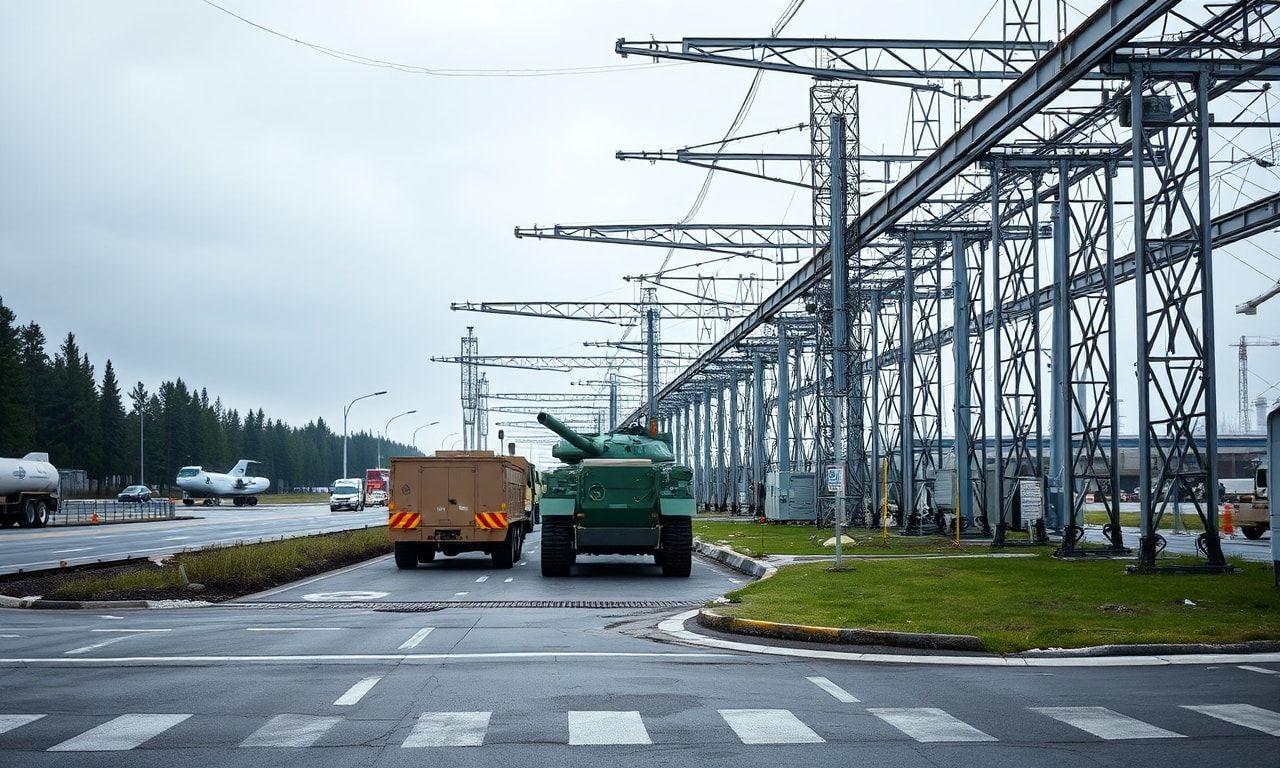
The Evolving Landscape of Defense and Civilian Infrastructure
The intersection of defense and civilian infrastructure has become increasingly relevant in today’s geopolitical climate. As nations strive to balance national security with economic growth, the lines between military and civilian projects are blurring. Finland, a country known for its robust defense strategies, offers a compelling case study in this regard. This article explores how Finland is integrating defense needs with civilian infrastructure projects, ensuring resilience and preparedness without compromising on quality of life.
Defense Infrastructure and Civilian Benefits
Finland’s defense infrastructure has long been a cornerstone of its national security strategy. The country’s extensive network of military bases, training facilities, and logistical hubs are strategically located to ensure rapid deployment and effective response to potential threats. However, these defense projects often yield significant benefits for civilian populations as well. For instance, the construction of military roads and bridges has improved connectivity in remote areas, facilitating trade and tourism. Additionally, the development of military hospitals has enhanced healthcare infrastructure, providing state-of-the-art medical facilities that serve both military personnel and civilians.
One notable example is the ongoing modernization of Finland’s air defense systems. These projects not only bolster the country’s defense capabilities but also create high-tech jobs and stimulate economic growth. The integration of advanced technologies in defense infrastructure has a ripple effect on the civilian sector, fostering innovation and technological advancements. Moreover, the emphasis on sustainability in defense projects aligns with Finland’s commitment to environmental stewardship, ensuring that both military and civilian infrastructure projects adhere to stringent environmental standards.
The Role of Community Engagement
Community engagement plays a pivotal role in the successful integration of defense and civilian infrastructure projects. In Finland, local communities are actively involved in the planning and execution of these projects, ensuring that their needs and concerns are addressed. This collaborative approach fosters a sense of ownership and pride among residents, leading to greater acceptance and support for defense initiatives. For example, the construction of a new military base in a rural area can be met with resistance if the local community feels that their interests are not being considered. However, by involving residents in the decision-making process and providing them with opportunities to benefit from the project, such as job creation and improved infrastructure, the likelihood of successful implementation increases significantly.
Furthermore, community engagement extends beyond the planning phase. Ongoing communication and transparency are essential to maintaining trust and cooperation between defense authorities and local residents. Regular updates on project progress, public forums, and feedback mechanisms ensure that the community remains informed and engaged. This approach not only enhances the effectiveness of defense projects but also strengthens the social fabric of the community.
Innovative Solutions for Dual-Use Infrastructure
Innovative solutions are key to maximizing the benefits of dual-use infrastructure projects. Finland has been at the forefront of developing creative approaches that serve both defense and civilian needs. One such innovation is the use of modular construction techniques, which allow for the rapid deployment of infrastructure that can be easily adapted to meet changing requirements. For example, a military training facility can be repurposed as a civilian sports complex during peacetime, providing a cost-effective solution that benefits both sectors.
Another innovative approach is the integration of renewable energy sources into defense infrastructure. Finland’s commitment to sustainability has led to the development of military bases powered by wind, solar, and hydroelectric energy. These renewable energy projects not only reduce the carbon footprint of defense operations but also contribute to the country’s overall energy security. By leveraging cutting-edge technologies and sustainable practices, Finland is setting a global example for the integration of defense and civilian infrastructure.
Challenges and Future Prospects
Despite the numerous benefits of integrating defense and civilian infrastructure, several challenges remain. Balancing the needs of national security with the demands of economic growth and environmental sustainability requires careful planning and strategic decision-making. Additionally, the high costs associated with defense projects can strain public resources, necessitating innovative financing solutions and public-private partnerships. For instance, the development of a new military base may require significant investment, but the long-term benefits to the local economy and community can justify the initial outlay.
Looking ahead, Finland is poised to continue its leadership in the integration of defense and civilian infrastructure. By leveraging advanced technologies, fostering community engagement, and prioritizing sustainability, the country can serve as a model for other nations seeking to achieve a similar balance. As geopolitical tensions continue to evolve, the need for resilient and adaptable infrastructure will only grow, making Finland’s approach increasingly relevant and valuable.
For those interested in the intersection of defense and civilian infrastructure, resources like Espoon kodin korjausopas provide valuable insights into the practical applications of these principles in everyday life. By exploring these connections, we can better understand the complex interplay between national security and community development, ultimately contributing to a more secure and prosperous future.