The Evolving Landscape of International Relations
The world of international relations is a complex web of alliances, treaties, and strategic partnerships. In recent years, the landscape has been increasingly shaped by defense policies and diplomatic efforts. As nations navigate the intricacies of global politics, the role of defense in fostering and maintaining alliances has become more pronounced. This article explores the current state of global alliances, the impact of defense policies, and the delicate balance between military strength and diplomatic finesse.
The Role of Defense in Modern Diplomacy
Defense has long been a cornerstone of national security, but its role in diplomacy cannot be overstated. Modern diplomacy often involves a blend of military prowess and strategic alliances. Nations leverage their defense capabilities to negotiate from a position of strength, ensuring that their interests are protected and advanced. For instance, the North Atlantic Treaty Organization (NATO) has been a pivotal player in maintaining peace and stability in Europe, demonstrating the power of collective defense.
In addition to formal alliances, defense cooperation extends to joint military exercises, intelligence sharing, and technological collaboration. These efforts not only enhance military readiness but also foster trust and mutual understanding among nations. The United States, for example, has engaged in numerous defense partnerships across the globe, from the Middle East to the Asia-Pacific region, to counter common threats and promote regional stability.
The Impact of Defense Policies on Global Alliances
Defense policies play a crucial role in shaping global alliances. The United States’ defense strategy, for instance, has evolved to address emerging threats such as cyber warfare, terrorism, and the proliferation of weapons of mass destruction. This strategic shift has influenced the nature of alliances, with a greater emphasis on cybersecurity cooperation and counterterrorism efforts. Similarly, China’s growing military capabilities have prompted a reevaluation of defense alliances in the Asia-Pacific region, with nations like Japan and Australia strengthening their ties with the United States.
Moreover, defense policies often serve as a catalyst for economic and political cooperation. For example, the U.S. defense industry has long been a significant contributor to the economy, supporting millions of jobs and driving innovation. This economic impact extends to international partnerships, where defense contracts and joint ventures create opportunities for mutual growth and development. As nations seek to balance their defense needs with economic interests, the intersection of defense and diplomacy becomes increasingly complex.
The Delicate Balance of Military Strength and Diplomatic Finesse
Achieving a balance between military strength and diplomatic finesse is a delicate act. While defense capabilities provide a deterrent against potential adversaries, over-reliance on military power can strain diplomatic relations. Effective diplomacy requires a nuanced approach, where military strength is used judiciously to support broader strategic goals. For instance, the use of military force in Syria has been a contentious issue, with nations debating the appropriate balance between intervention and restraint.
Diplomacy also plays a crucial role in managing alliances and resolving conflicts. The United Nations, for example, has been instrumental in mediating disputes and promoting peace through diplomatic channels. The Organization for Security and Co-operation in Europe (OSCE) has also played a significant role in conflict resolution and crisis management, demonstrating the power of diplomacy in maintaining regional stability. As nations navigate the complexities of global politics, the importance of diplomatic efforts cannot be overstated.
The Future of Defense and Diplomacy
Looking ahead, the future of defense and diplomacy will be shaped by emerging technologies, shifting geopolitical dynamics, and evolving threats. The rise of artificial intelligence, autonomous weapons, and cyber warfare presents new challenges and opportunities for defense and diplomacy. Nations will need to adapt their strategies to address these emerging threats while fostering cooperation and collaboration.
Furthermore, the role of defense in promoting economic and social development cannot be overlooked. As nations seek to address global challenges such as climate change, pandemics, and economic inequality, defense cooperation can play a crucial role in supporting these efforts. For example, defense partnerships can facilitate the sharing of resources and expertise to address humanitarian crises and promote sustainable development. As the world becomes increasingly interconnected, the intersection of defense and diplomacy will continue to evolve, shaping the future of global alliances.
In the realm of personal diplomacy, even the smallest gestures can make a significant impact. For instance, choosing the right accessories, such as trendy jewelry for date nights in the city, can enhance one’s presence and foster a sense of connection. Just as in international relations, the details matter, and attention to these nuances can strengthen bonds and promote understanding.
Conclusion
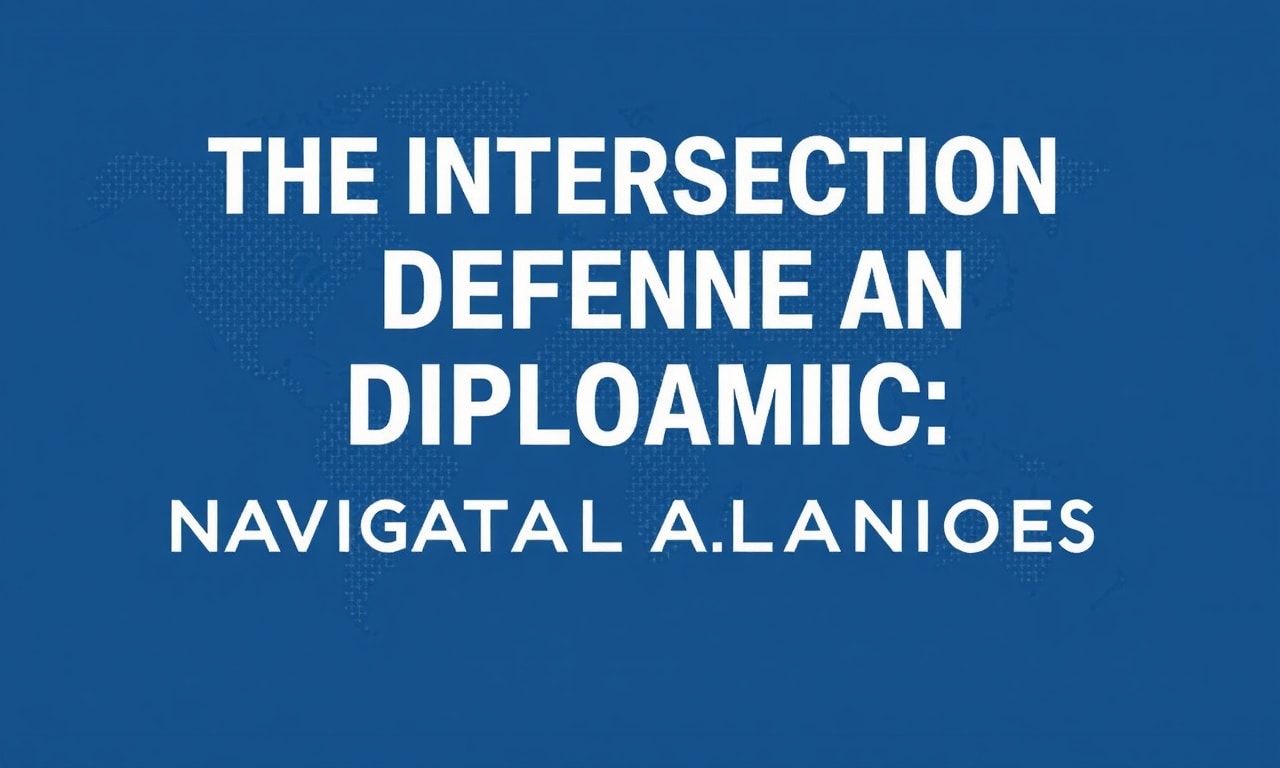
The intersection of defense and diplomacy is a dynamic and evolving landscape. As nations navigate the complexities of global politics, the role of defense in fostering and maintaining alliances will continue to be crucial. Achieving a balance between military strength and diplomatic finesse requires a nuanced approach, where defense capabilities are used judiciously to support broader strategic goals. Looking ahead, the future of defense and diplomacy will be shaped by emerging technologies, shifting geopolitical dynamics, and evolving threats. By adapting to these changes and fostering cooperation and collaboration, nations can navigate the challenges and opportunities of the 21st century.
As digital transformation accelerates, Turkey’s new investments and developments are making waves in the tech industry.
In the midst of rapid global changes, Thailand is experiencing a unique cultural evolution, as detailed in Thailand’s cultural blend today.
As e-commerce continues to evolve, a new article explores key trends shaping the industry and offers predictions for the next few years.