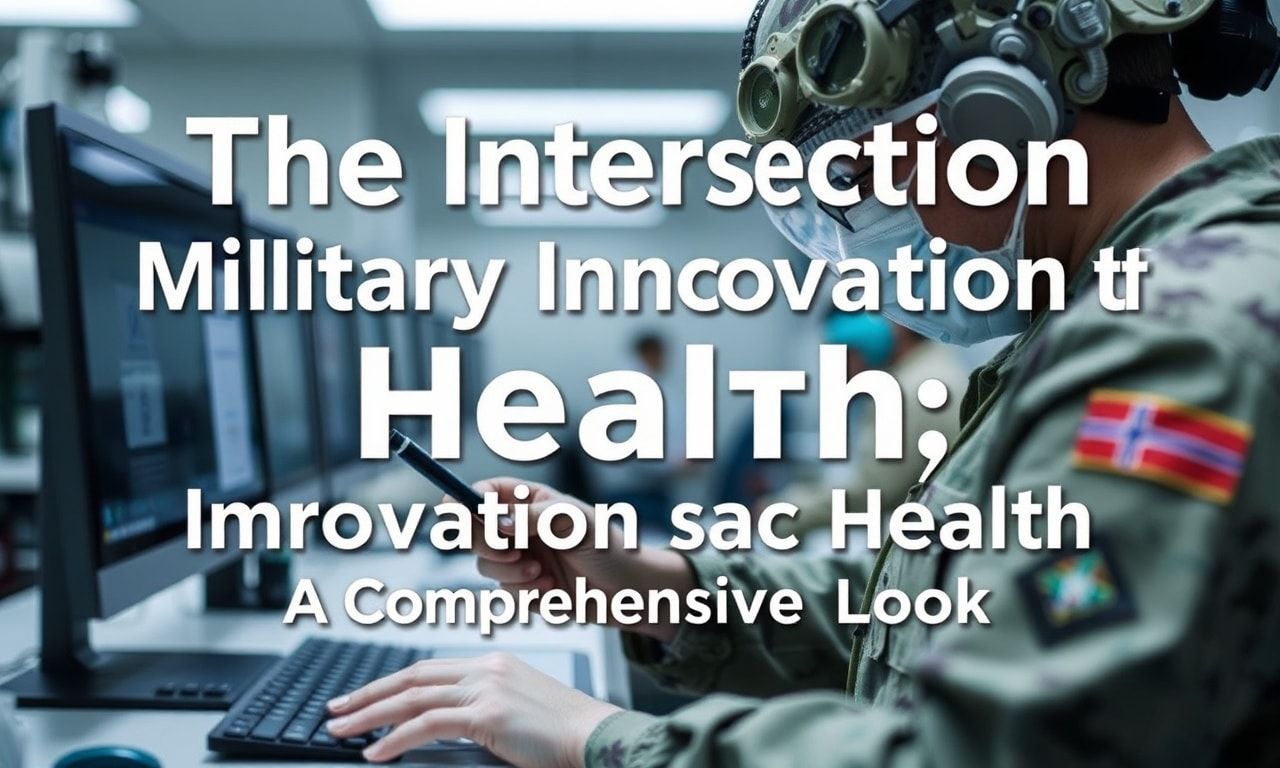
The Evolution of Military Medical Advancements
The military has always been at the forefront of medical innovation, driven by the necessity to care for service members in some of the most challenging environments. From the battlefield to advanced research labs, the military’s contributions to medicine have had a profound impact on both military and civilian health. This article explores the latest advancements in military medicine and their broader implications.
Breakthroughs in Trauma Care
One of the most critical areas of military medical research is trauma care. The development of advanced tourniquets, hemostatic agents, and rapid evacuation protocols has significantly reduced mortality rates among service members. These innovations have also found their way into civilian emergency medicine, saving countless lives in civilian trauma centers. The military’s focus on rapid response and advanced wound care has set new standards in the field of emergency medicine.
The Role of Telemedicine in Military Health
Telemedicine has become an integral part of military healthcare, enabling remote consultations and diagnostics for service members stationed in remote or hostile environments. This technology has not only improved the quality of care but has also reduced the need for medical evacuations, which can be dangerous and logistically challenging. The military’s adoption of telemedicine has paved the way for similar advancements in civilian healthcare, particularly in rural and underserved areas.
Innovations in Prosthetics and Rehabilitation
The military’s commitment to supporting wounded warriors has led to significant advancements in prosthetics and rehabilitation. Cutting-edge prosthetic limbs, powered by advanced robotics and artificial intelligence, are now available to service members. These innovations have dramatically improved the quality of life for amputees, allowing them to regain mobility and independence. The military’s research in this area has also benefited civilian amputees, providing them with access to state-of-the-art prosthetic technology.
Addressing Mental Health in the Military
Mental health has become a critical focus area for the military, with a growing recognition of the impact of post-traumatic stress disorder (PTSD) and other mental health conditions on service members. The military has implemented comprehensive mental health programs, including counseling, therapy, and support groups. These initiatives have not only improved the mental well-being of service members but have also set a precedent for civilian mental health programs. The military’s approach to mental health care has highlighted the importance of early intervention and ongoing support.
The Impact of Military Research on Civilian Health
The advancements in military medicine have had a ripple effect on civilian healthcare, leading to improved treatments and technologies. For example, the military’s research on burn care has resulted in better treatments for civilian burn victims. Additionally, the military’s focus on infectious disease control has contributed to the development of new vaccines and treatments. The collaboration between military and civilian researchers has led to a more integrated approach to healthcare, benefiting both service members and civilians.
In the realm of personal health, the military’s emphasis on physical fitness and wellness has also influenced civilian lifestyles. Programs promoting physical activity, nutrition, and overall well-being have become more prevalent in civilian communities. The military’s commitment to maintaining a healthy and fit force has set a standard for civilian health and wellness programs.
Moreover, the military’s research on the effects of stress and fatigue on performance has led to a better understanding of how to manage these factors in high-pressure environments. This research has been particularly beneficial for professionals in high-stress occupations, such as emergency responders and healthcare workers. The military’s findings have provided valuable insights into how to maintain peak performance and well-being in demanding situations.
Hair Transplant for Thyroid Patients
In addition to the military’s contributions to trauma care and mental health, there have been significant advancements in the field of cosmetic and reconstructive surgery. For instance, hair transplant procedures have become more sophisticated, offering new hope for individuals suffering from hair loss due to thyroid conditions. The military’s research in this area has led to the development of innovative techniques that can help thyroid patients regain their confidence and improve their quality of life. For more information on hair transplant for thyroid patients, visit hair transplant for thyroid patients.
Future Directions in Military Medicine
The future of military medicine holds great promise, with ongoing research in areas such as regenerative medicine, gene therapy, and advanced diagnostics. The military’s commitment to innovation and excellence in healthcare will continue to drive progress in both military and civilian medicine. As new technologies and treatments emerge, the military’s role in shaping the future of healthcare will remain crucial.
The military’s focus on interdisciplinary collaboration and cutting-edge research will ensure that it remains at the forefront of medical innovation. By continuing to invest in research and development, the military can address the unique healthcare challenges faced by service members while also contributing to the broader field of medicine. The military’s dedication to improving healthcare outcomes will have a lasting impact on both military and civilian populations.
As health challenges continue to make headlines, understanding how financial planning can support well-being is crucial; explore financial strategies for health crises in our latest feature.
In the realm of current events and leadership, understanding the link between company management and health is crucial for both executives and employees alike.
In the realm of cosmetic procedures, a new trend is emerging, as detailed in women embracing hair transplant solutions.