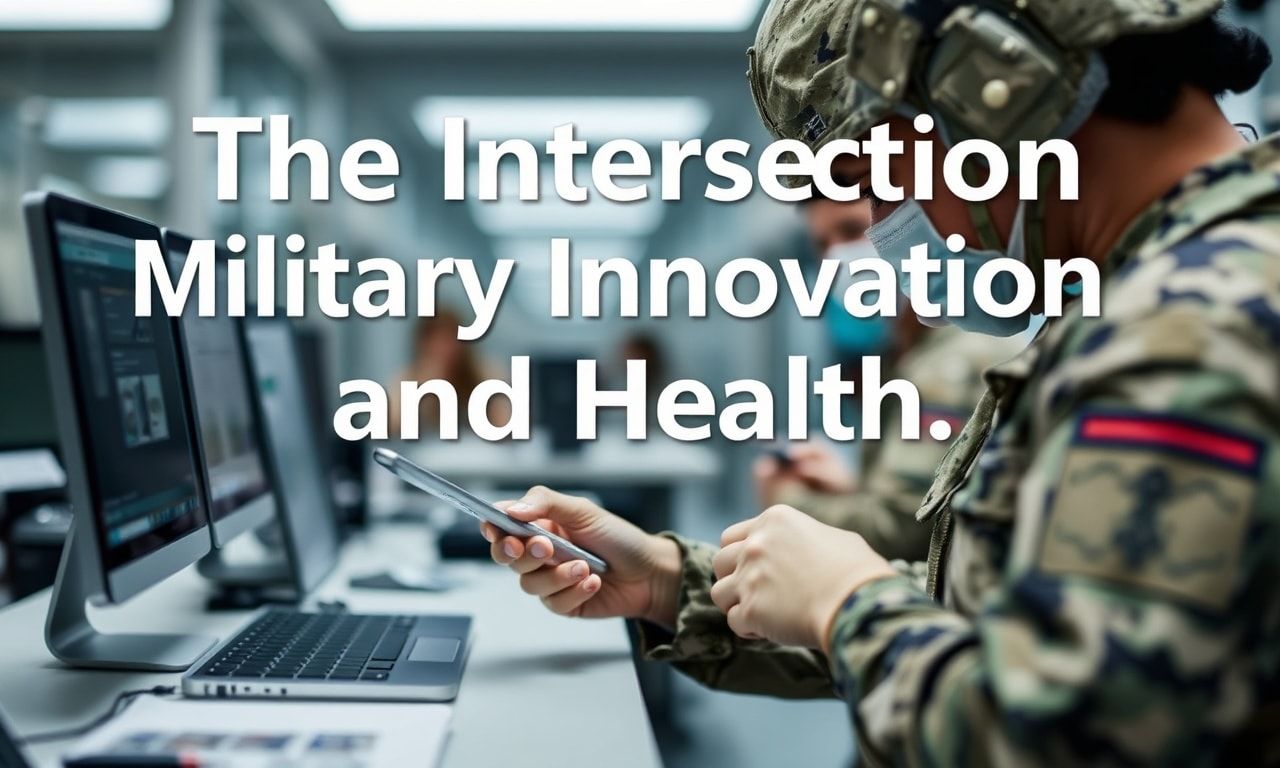
The Evolving Landscape of Military Health Innovations
The military has always been at the forefront of technological and medical advancements. From the development of new vaccines to the implementation of advanced prosthetics, the armed forces have consistently pushed the boundaries of what is possible in the realm of health and wellness. This trend continues today, as military researchers and healthcare professionals collaborate to create innovative solutions that not only benefit service members but also have the potential to revolutionize civilian healthcare.
The Role of Technology in Military Health
Technology plays a pivotal role in the advancements being made in military health. Wearable devices, for instance, are being used to monitor the health of soldiers in real-time, providing critical data that can be used to prevent injuries and illnesses. These devices are equipped with sensors that track various health metrics, such as heart rate, hydration levels, and even stress levels. This data is then analyzed using advanced algorithms to identify patterns and potential health risks. Additionally, telemedicine is becoming increasingly prevalent, allowing soldiers to receive medical consultations and treatments remotely, which is particularly beneficial in remote or combat zones.
One of the most significant technological advancements in military health is the use of artificial intelligence (AI). AI is being employed to analyze vast amounts of medical data, identify trends, and predict potential health issues before they become critical. This proactive approach to healthcare can significantly improve the overall well-being of service members and reduce the burden on military healthcare systems. Furthermore, AI-driven diagnostic tools are being developed to assist medical professionals in making more accurate and timely diagnoses, ultimately leading to better patient outcomes.
The Importance of Mental Health in the Military
While physical health has traditionally been the primary focus of military healthcare, there is a growing recognition of the importance of mental health. The stresses of military service can take a toll on the mental well-being of service members, leading to conditions such as post-traumatic stress disorder (PTSD), depression, and anxiety. To address these issues, the military is implementing a range of mental health initiatives, including counseling services, support groups, and specialized training programs. These efforts aim to provide soldiers with the resources and support they need to maintain their mental health and resilience.
In addition to traditional mental health services, the military is exploring alternative therapies to help service members cope with the psychological challenges of their service. For example, some military facilities are offering mindfulness and meditation programs, which have been shown to be effective in reducing stress and improving overall mental well-being. Additionally, virtual reality (VR) therapy is being used to help soldiers with PTSD by providing a controlled environment in which they can confront and process their traumatic experiences.
Innovations in Military Nutrition and Fitness
Nutrition and fitness are critical components of military health, as they directly impact the performance and readiness of service members. The military is continually researching and developing new nutritional strategies to optimize the health and performance of soldiers. For instance, researchers are exploring the use of personalized nutrition plans that take into account individual genetic profiles and metabolic needs. This approach aims to provide soldiers with the most effective and efficient nutritional support possible.
Fitness is another area where the military is making significant strides. Advanced training programs and equipment are being developed to enhance the physical capabilities of service members. For example, exoskeletons are being tested to help soldiers carry heavy loads with less strain on their bodies. Additionally, high-intensity interval training (HIIT) and other innovative fitness regimens are being implemented to improve the overall physical conditioning of soldiers. These advancements not only enhance the performance of military personnel but also have the potential to benefit civilian athletes and fitness enthusiasts.
The Impact of Military Health Innovations on Civilian Life
The innovations being developed for military health have far-reaching implications for civilian healthcare. Many of the technologies and strategies being employed by the military have the potential to be adapted for use in civilian settings, ultimately improving the health and well-being of the general population. For example, wearable health devices and telemedicine services can provide civilians with greater access to healthcare and more personalized medical support. Additionally, the advancements being made in mental health treatment and nutrition can benefit civilians by providing them with new tools and resources to manage their own health.
Furthermore, the focus on preventive healthcare in the military can serve as a model for civilian healthcare systems. By emphasizing early detection and intervention, the military is able to prevent many health issues before they become serious. This proactive approach can be applied to civilian healthcare to reduce the incidence of chronic diseases and improve overall public health. As such, the innovations being developed for military health have the potential to revolutionize civilian healthcare and improve the lives of people around the world.
For those interested in maintaining a healthy lifestyle, incorporating these military-inspired health tips into daily routines can be beneficial. Websites like sağlıklı yaşam ipuçları günlük offer a wealth of information on how to achieve and maintain a healthy lifestyle, providing practical advice and resources for individuals looking to improve their overall well-being.
The Future of Military Health Innovations
The future of military health innovations looks promising, with ongoing research and development efforts aimed at pushing the boundaries of what is possible in the realm of health and wellness. Emerging technologies, such as gene editing and nanotechnology, hold the potential to revolutionize military healthcare by providing new treatments and therapies for a wide range of conditions. Additionally, the continued integration of AI and machine learning into military healthcare systems will enable more personalized and effective medical care for service members.
As the military continues to invest in health innovations, it is essential to consider the ethical implications of these advancements. Ensuring that these technologies are used responsibly and ethically is crucial to maintaining the trust and support of service members and the general public. By addressing these ethical considerations, the military can continue to lead the way in health innovations while upholding the highest standards of care and support for its personnel.