The Evolution of Military Training
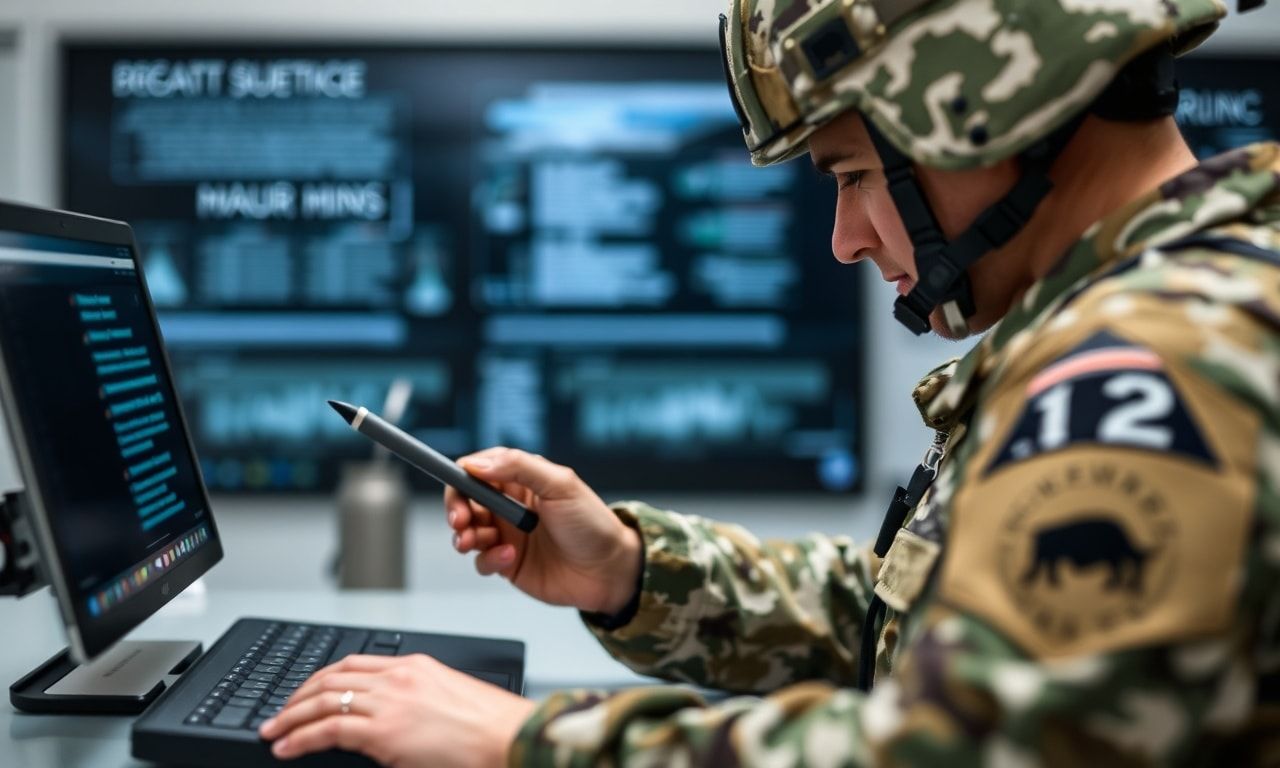
The landscape of military training has undergone a significant transformation over the past few decades. Traditional methods, which relied heavily on physical drills and repetitive exercises, are now being augmented with advanced technologies and cognitive science principles. This shift aims to enhance the overall readiness and effectiveness of military personnel in diverse and complex operational environments.
The Role of Cognitive Science in Military Training
Cognitive science, which encompasses the study of the mind and its processes, plays a crucial role in modern military training. By understanding how individuals perceive, learn, and make decisions, military trainers can develop more effective training programs. For instance, the use of simulations and virtual reality (VR) allows soldiers to experience realistic scenarios without the physical risks associated with traditional training methods.
One of the key areas where cognitive science intersects with military training is in the development of adaptive learning strategies. These strategies tailor training programs to the individual needs of each soldier, ensuring that they receive the most relevant and effective instruction. This personalized approach not only improves learning outcomes but also enhances the overall readiness of military units.
Enhancing Decision-Making Skills
Decision-making is a critical skill for military personnel, who often face high-stakes situations with limited time and resources. Cognitive science research has shown that effective decision-making relies on a combination of experience, intuition, and analytical thinking. Military training programs now incorporate exercises that simulate real-world scenarios, allowing soldiers to practice and refine their decision-making skills in a controlled environment.
For example, the use of VR simulations enables soldiers to experience a wide range of scenarios, from combat situations to humanitarian missions. These simulations provide immediate feedback, allowing soldiers to learn from their mistakes and improve their performance. Additionally, the integration of artificial intelligence (AI) into training programs can analyze a soldier’s performance and provide personalized recommendations for improvement.
The Importance of Mental Resilience
Mental resilience is another key area where cognitive science and military training intersect. Military personnel often face extreme physical and psychological challenges, and the ability to maintain mental resilience is crucial for their overall effectiveness. Cognitive science research has identified several factors that contribute to mental resilience, including positive thinking, emotional regulation, and social support.
Military training programs now incorporate exercises that help soldiers develop these skills. For example, mindfulness training and stress management techniques are increasingly being used to help soldiers cope with the psychological demands of their roles. Additionally, the use of peer support networks and mental health resources ensures that soldiers have access to the support they need to maintain their mental well-being.
How to Create an Effective Study Schedule
While military training focuses on physical and cognitive readiness, the principles of effective study schedules can also be applied to enhance learning outcomes. According to research, creating a structured study schedule can significantly improve retention and comprehension. For instance, breaking study sessions into smaller, manageable chunks and incorporating regular breaks can help prevent cognitive fatigue and enhance focus. For more insights on how to create an effective study schedule, visit how to create an effective study schedule.
The Future of Military Training
The future of military training lies in the continued integration of cognitive science principles and advanced technologies. As research in cognitive science advances, military trainers will be able to develop even more effective training programs that enhance the readiness and effectiveness of military personnel. Additionally, the use of AI and machine learning can provide personalized training recommendations, ensuring that each soldier receives the most relevant and effective instruction.
Furthermore, the integration of biometric monitoring and wearable technologies can provide real-time feedback on a soldier’s physical and cognitive state, allowing trainers to adjust training programs accordingly. This personalized approach not only enhances learning outcomes but also ensures that soldiers are physically and mentally prepared for the challenges they may face in the field.
Conclusion
In conclusion, the intersection of cognitive science and military training represents a significant advancement in the way military personnel are prepared for their roles. By leveraging the principles of cognitive science and advanced technologies, military trainers can develop more effective training programs that enhance the readiness and effectiveness of soldiers. As research in cognitive science continues to evolve, the future of military training looks promising, with the potential to further enhance the capabilities of military personnel in diverse and complex operational environments.