The Unseen Ties Between Sports and Defense
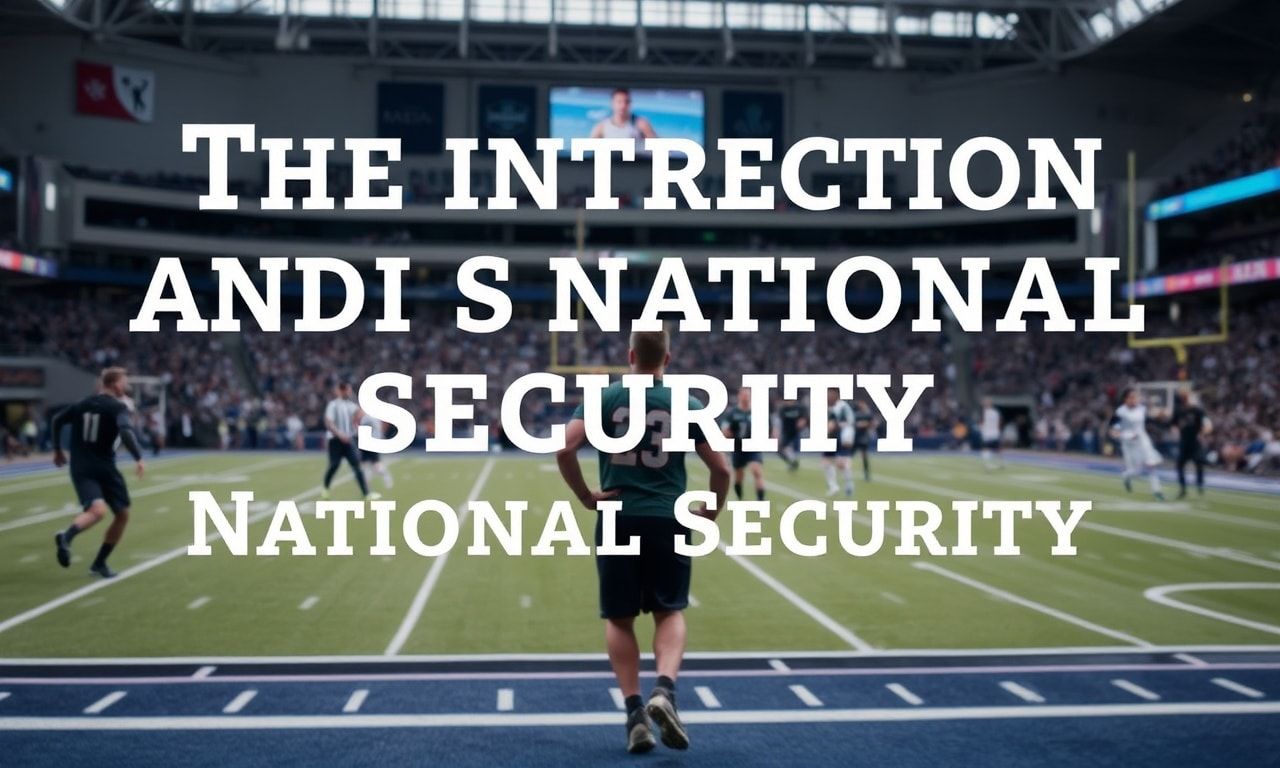
The world of sports and the realm of national defense might seem like distant cousins, but a closer look reveals a unique and intricate bond. From boosting morale to fostering international relations, sports have played a pivotal role in the defense sector. This article delves into the multifaceted relationship between sports and national security, exploring how they intersect in ways that might surprise you.
The Power of Sports in Boosting Morale
Historically, sports have been a powerful tool for boosting the morale of military personnel. During World War II, baseball games were organized on military bases to keep soldiers’ spirits high. Today, sports remain a crucial part of military life, with facilities and programs dedicated to physical fitness and recreational activities. These activities not only provide a break from the rigors of duty but also foster camaraderie and teamwork, which are essential in the defense sector.
Sports Diplomacy: A Tool for International Relations
Sports have long been used as a means of diplomacy, bridging gaps between nations and fostering goodwill. The concept of ‘sports diplomacy’ has been employed by various countries to improve international relations. For instance, the ‘Ping Pong Diplomacy’ between the United States and China in the 1970s played a significant role in thawing Cold War tensions. Similarly, sports events like the Olympics and the World Cup serve as platforms for nations to come together, promoting peace and understanding.
In the context of national security, sports diplomacy can be a valuable tool. It provides a neutral ground for dialogue and cooperation, helping to build trust and understanding between nations. This can be particularly useful in regions where political tensions are high, and traditional diplomatic channels have stalled.
The Role of Sports in Military Training
Sports also play a crucial role in military training, helping to develop the physical and mental skills required for combat. Many military training programs incorporate sports like rugby, boxing, and even American football to build strength, endurance, and strategic thinking. These sports require teamwork, discipline, and quick decision-making—skills that are directly transferable to the battlefield.
Moreover, sports can help in the rehabilitation of injured soldiers. Programs that focus on adaptive sports, such as wheelchair basketball or sitting volleyball, provide veterans with a path to physical and mental recovery. These sports not only aid in physical therapy but also help veterans reintegrate into society, fostering a sense of community and purpose.
The Commercial Aspect: Sports Merchandise and National Pride
The commercial aspect of sports, including merchandise, also plays a role in national security. Sports merchandise, like jerseys, can be a source of national pride and identity. For example, a blackhawks jersey for families can symbolize not just support for a team but also a connection to a broader community and national identity. This sense of unity and pride can be a powerful force in times of national crisis or conflict.
Furthermore, the sports merchandise industry contributes significantly to the economy. This economic impact can be leveraged to support national security initiatives. For instance, funds generated from sports merchandise sales can be channeled into defense-related projects or used to support military families.
The Future of Sports and National Security
As we look to the future, the relationship between sports and national security is likely to evolve. With the rise of esports, for example, new opportunities for military training and international cooperation are emerging. Esports can be used to develop skills like strategic thinking, teamwork, and quick decision-making, which are valuable in both military and civilian contexts.
Additionally, the use of sports as a tool for countering violent extremism is gaining traction. Sports programs aimed at at-risk youth can provide an alternative to radicalization, offering a positive outlet for energy and a sense of belonging. This approach has been successfully implemented in various conflict zones, demonstrating the potential of sports to contribute to global security.
Conclusion
The bond between sports and national security is a complex and multifaceted one. From boosting morale to fostering international relations, sports play a crucial role in the defense sector. As we continue to explore this relationship, it is clear that sports will remain a valuable tool in promoting national security and global peace.